 how-to
Cost of Solar Panel Maintenance: 2026 Price Guide
Table of Contents
- What Solar Panel Maintenance Actually Costs
- Solar Panel Maintenance Cost Per Year: Building a Realistic Budget
- Solar Panel Cleaning Cost and How Often You Need It
- Solar Panel Repair Cost: What Breaks and What It Runs
- Your Solar Panel Maintenance Checklist: DIY vs. Licensed Pro
- A 25-Year Cost-of-Ownership Model for Your System
- Maintenance Plans, Warranties, and What They Cover
- Conclusion
- Frequently Asked Questions
Last Updated: October 18, 2026
What Solar Panel Maintenance Actually Costs
The cost of solar panel maintenance is lower than most homeowners expect.
This guide breaks down what each task costs, what you can safely do yourself, and how to build a 25-year budget.
Solar panels are a long-term purchase. The panels themselves often carry 25-year performance warranties, according to U.S.
Here's what most guides get wrong: they quote a single annual number and stop there. Real ownership costs come in uneven waves. Cleaning is steady and small.
Solar Panel Maintenance Cost Per Year: Building a Realistic Budget
A realistic annual maintenance budget covers three things: cleaning, inspection, and a reserve for repairs.
A common approach is to set aside a fixed yearly amount for routine care and a separate reserve for parts. That way a surprise inverter failure doesn't wreck your finances.
Here's a simple way to structure it:
- Routine care: cleaning and visual checks each year
- Annual inspection: a professional review of wiring, mounts, and output
- Repair reserve: money set aside for parts and labor over time
- Monitoring: free, but worth checking monthly
Many service providers price cleaning and inspection by system size, roof access, and how dirty the panels get. Pricing depends on your system, so ask for a quote rather than guessing.
Solar Panel Cleaning Cost and How Often You Need It
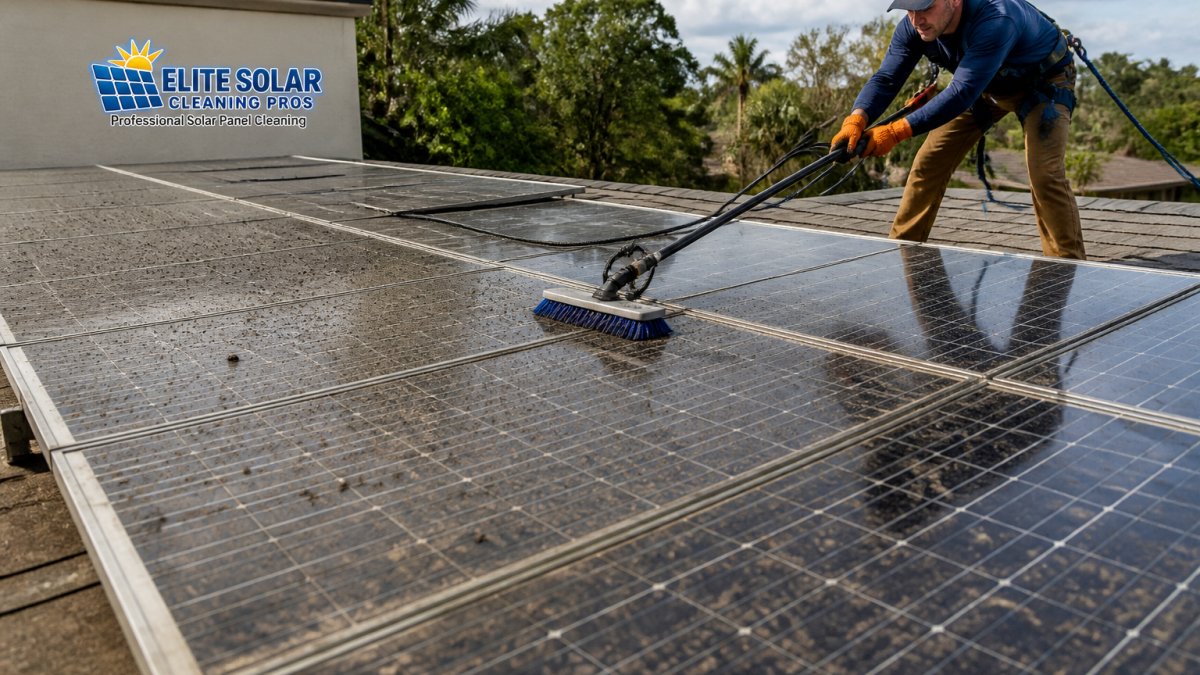
Solar panel cleaning cost depends on panel count, roof pitch, roof height, and local dust or debris. Most homes need cleaning once or twice a year.
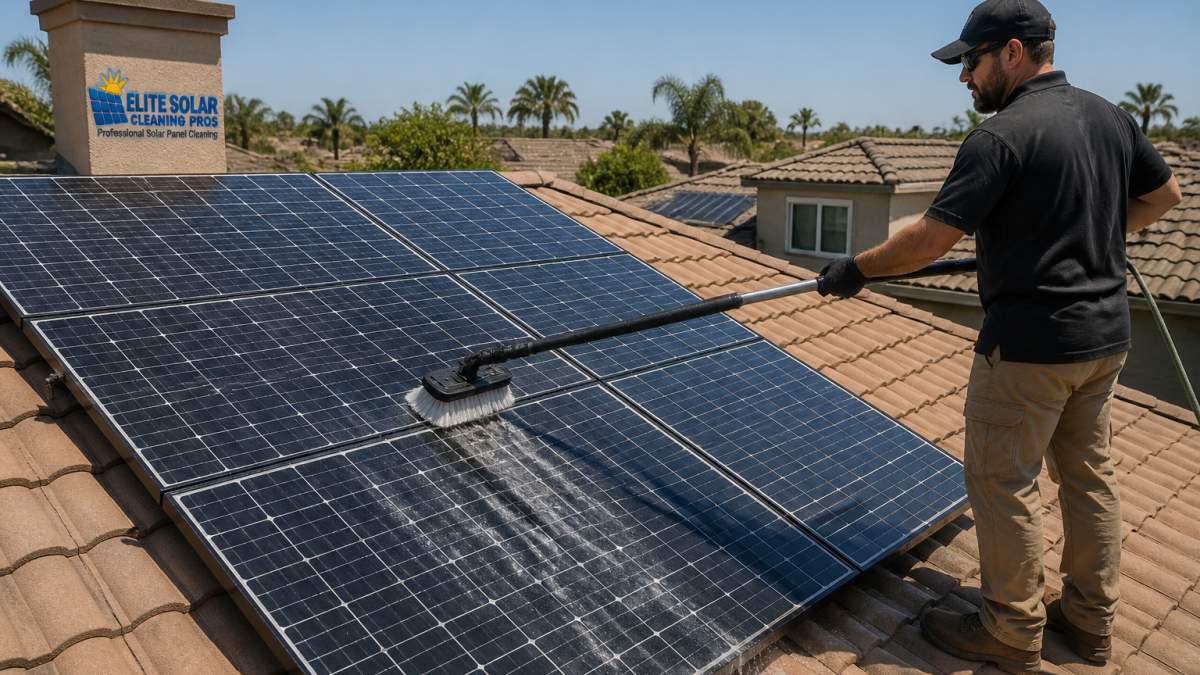
Dirty panels block sunlight and cut energy production. A visible film of dust, bird droppings, or pollen is your cue.
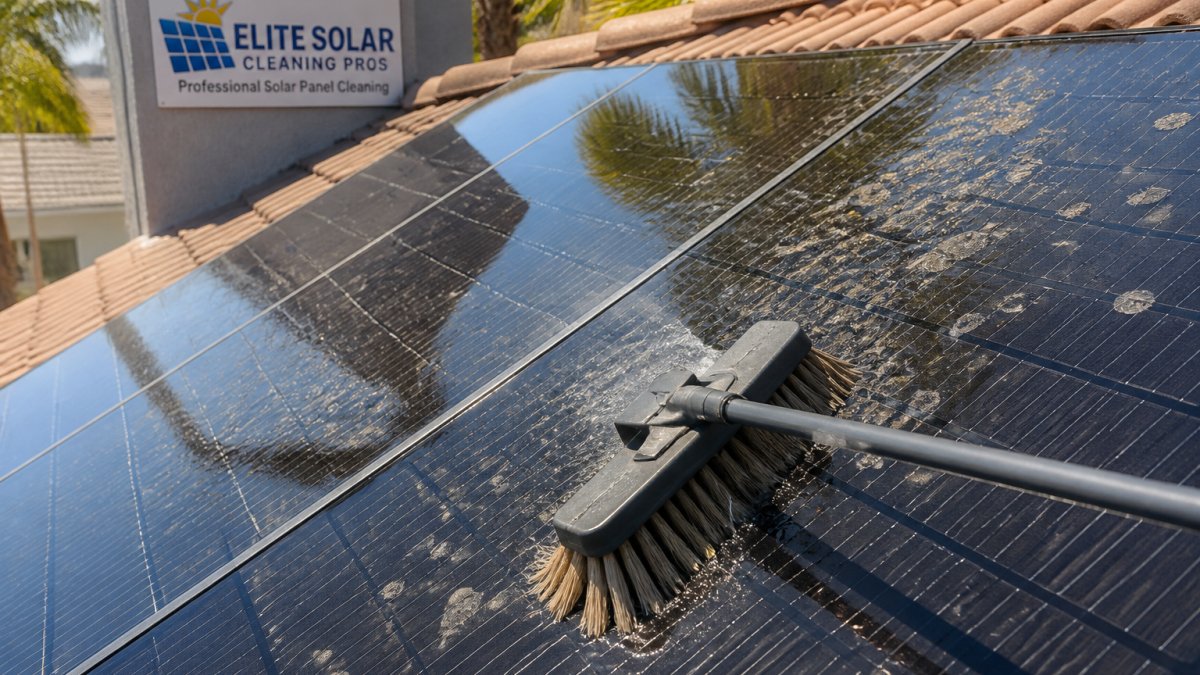
We recommend deionized (DI) water cleaning because it dries without mineral spots and avoids scratching the glass. Harsh soaps and hard water can leave residue or damage coatings over time.
How Cleaning Is Priced
Most providers quote cleaning by the number of panels or by system size in kilowatts, then adjust for access. A single-story ranch with a gentle pitch is the easiest job. Two-story roofs, steep pitches, tile roofs, and arrays with tight clearance around the edges take longer and cost more. Expect the quote to reflect:
- Panel count or system size, the base unit most crews price from
- Roof height and pitch, ladder work and fall protection add labor
- Roof type, composition shingle is simpler than tile or metal
- Soiling level, heavy bird droppings or tree sap need more passes
- Travel and minimum charges, small jobs may hit a service minimum
Ask for a written quote that lists the panel count, the access assumptions, and whether inspection is included or billed separately. A price without those details is hard to compare against another bid.
Measurable Triggers: When Cleaning Pays for Itself
Professional cleaning pays for itself when output has clearly dropped and the panels are visibly soiled. Use these triggers instead of a fixed calendar:
- Production drop that tracks soiling. Compare your monitoring output against the same month in prior years. A steady dip that lines up with dust, pollen, or debris is a cleaning signal. A sudden drop with no visible soiling is more likely an equipment fault, call for diagnosis, not cleaning.
- Visible soiling on the glass. Bird droppings, pollen film, dust streaks, and leaf litter are easy to see from the ground with binoculars or a phone zoom. Heavy spotting blocks more light than an even dust film.
- Local rainfall. Regular rain rinses light dust. In dry stretches or regions with long gaps between storms, soiling builds up faster and cleaning intervals shorten.
- Cost versus expected energy loss. Estimate the value of the output you are losing and compare it with the cleaning quote. If the cleaning costs more than the energy the soiling is likely costing you, wait. If the lost output clearly exceeds the quote, book the cleaning.
- Seasonal timing. Clean before the strongest production months rather than after, so you capture the gain when the sun is highest.
Elite Solar Cleaning Pros uses eco-friendly DI water and a licensed, insured team. We can restore up to 30% of your energy output when soiling is the cause.
Solar Panel Repair Cost: What Breaks and What It Runs
Solar panel repair cost varies widely because failures range from a cheap connector fix to a full inverter swap. Panels themselves rarely fail. The parts around them do the heavy lifting, and they wear out first.
Common repairs include:
- Loose or corroded wiring and connectors
- Failed junction boxes or diodes
- Cracked panels from debris or impact
- Mounting and roof hardware issues
- Inverter faults and failures
Labor is often the bigger line item. Roof access, system height, and how easy the part is to reach all affect the bill. Get a written estimate before any work starts.
Inverter Replacement and Other Major Components
The inverter is the part most likely to need replacement. It converts DC power from the panels into usable AC power for your home. Most inverters last well short of the panels' 25-year lifespan, so plan for at least one replacement.
When the inverter goes, production stops. That makes it a priority repair, not a someday item. Keep your warranty paperwork handy, because manufacturer warranty coverage may offset part of the cost.
Your Solar Panel Maintenance Checklist: DIY vs. Licensed Pro
Some tasks are safe for homeowners. Others need a licensed professional. Knowing the difference protects your roof, your warranty, and you.
Safe homeowner checks (ground level or gentle visual review):
- Check the monitoring system monthly for output drops
- Look for visible debris, leaves, or bird droppings
- Note cracks, discoloration, or hot spots
- Confirm the inverter display shows normal status
- Keep trees trimmed back from the array
Work for a licensed professional:
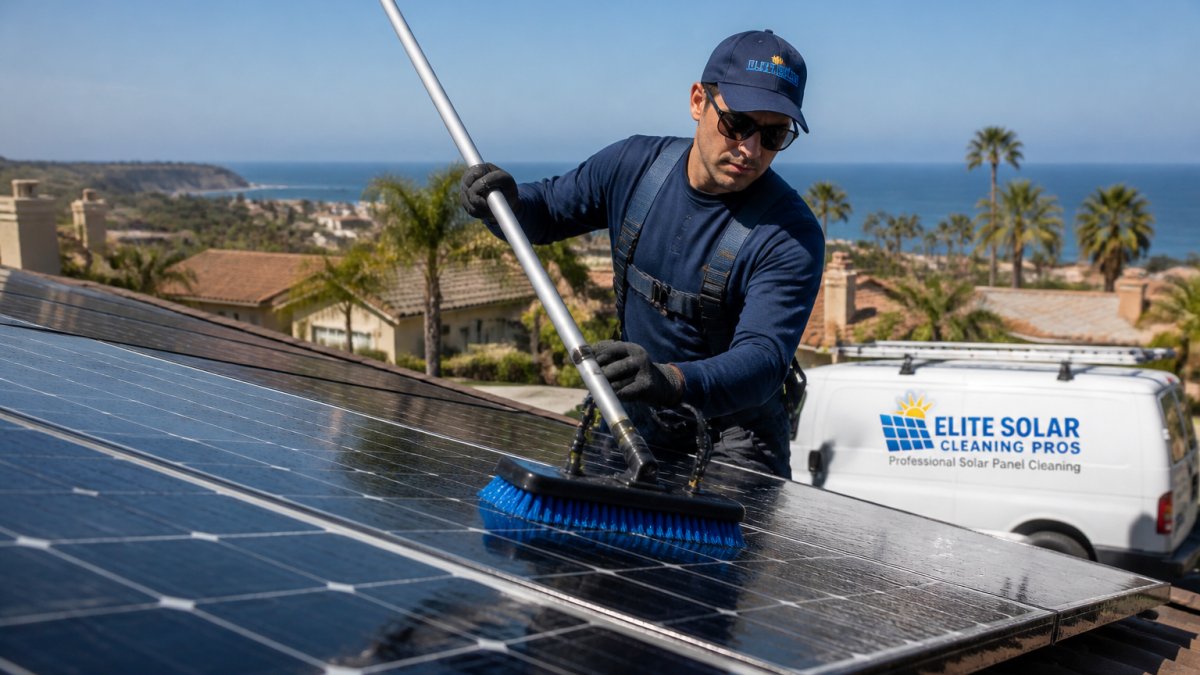
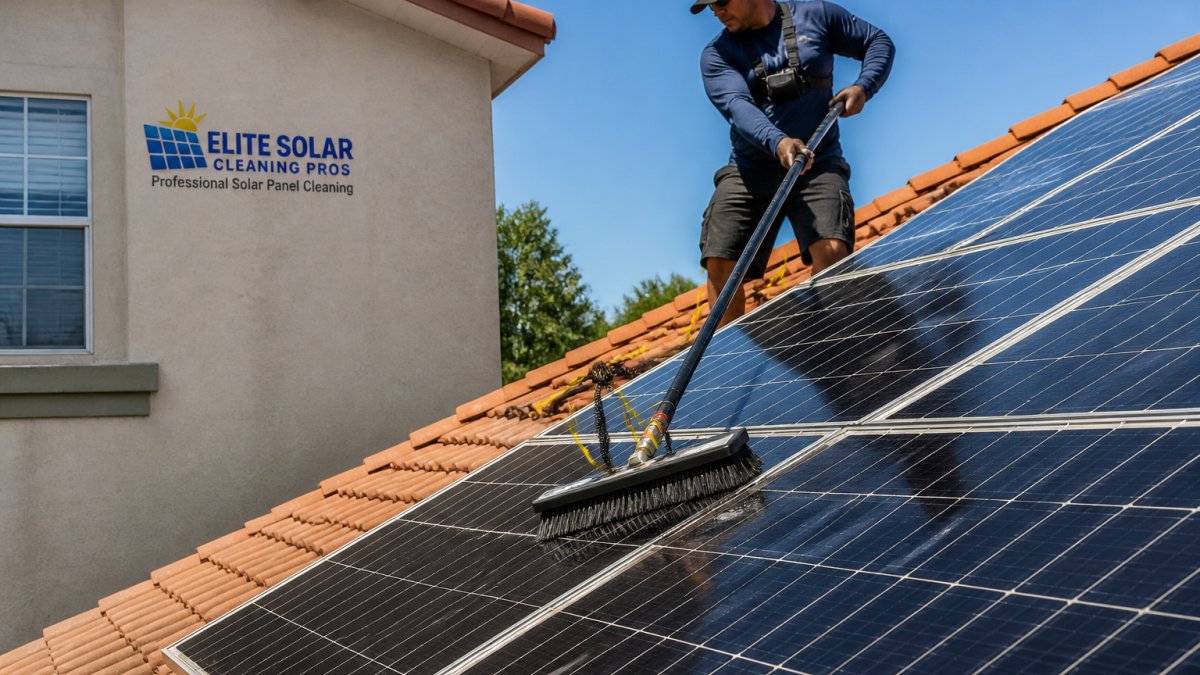
- Roof-level cleaning with water-fed poles
- Electrical inspections and wiring checks
- Inverter diagnosis and replacement
- Panel removal or remounting
- Any work on the roof structure
A 25-Year Cost-of-Ownership Model for Your System
A 25-year model beats a single annual estimate. It shows how small yearly costs and rare big repairs stack up over the life of your system.
Here's how to build one:
- List your yearly routine costs (cleaning, inspection)
- Add a repair reserve for wiring, mounts, and small fixes
- Plan for one inverter replacement in the middle years
- Account for warranty coverage on parts and workmanship
- Review the model yearly and adjust as prices change
| Cost Category | Frequency | What It Covers |
|---|---|---|
| Cleaning | 1-2 times per year | Dust, debris, output loss |
| Inspection | Annually | Wiring, mounts, performance |
| Small repairs | As needed | Connectors, hardware, diodes |
| Inverter replacement | Once in system life | Power conversion unit |
| Monitoring | Ongoing (free) | Output tracking, alerts |
The pattern is clear: routine costs are steady and manageable. The inverter is the big swing. Budget for it early and the 25-year total won't surprise you.
Maintenance Plans, Warranties, and What They Cover
Maintenance plans bundle cleaning and inspection into a scheduled service. They suit homeowners who want set-it-and-forget-it care, and property managers juggling multiple arrays. But a plan is only one layer of protection. Understanding how plans, warranties, and insurance fit together is what keeps a repair from landing entirely on your bill.
What a Maintenance Plan Should Spell Out
Before you sign, check the terms:
- What's included: cleaning only, or inspection and repairs too?
- Visit frequency: how many times per year?
- Response time: how fast do they handle repair calls?
- Exclusions: what's not covered?
- Cancellation terms: notice period, refund policy, and auto-renewal language
- Parts and labor: are replacement parts billed separately from the visit?
Compare a plan's total annual cost with what pay-as-needed cleaning and inspection would run for your system. A plan is worth it when the bundled price is at or below the sum of the individual services you would actually use, and when the response-time commitment matters to you.
How the Warranty Layers Interact
Warranties work alongside plans, and each layer covers a different failure:
- Manufacturer product and performance warranties typically cover panel defects and guaranteed power output over a long term, often 25 years for performance. They generally do not cover labor to remove and reinstall panels.
- Equipment warranties on inverters and other components usually run shorter than the panel warranty, which is why inverter replacement is the big planned cost in a 25-year budget.
- Installer workmanship warranties cover the quality of the installation, wiring, mounting, and roof penetrations, for a defined period. Keep the installer's warranty document; it is separate from the manufacturer's.
- Home insurance may respond to storm, hail, fire, or impact damage, depending on your policy and deductible. It typically does not cover wear, gradual degradation, or lack of maintenance.
A common pattern is that a failed part is covered but the labor is not, or the labor is covered only within the workmanship window. Read each document for the labor terms, not just the parts terms.
Common Exclusions and What to Keep
Neither manufacturer warranties nor workmanship warranties cover dust, soiling, or storm debris, so cleaning stays your responsibility. Other frequent exclusions include damage from improper cleaning, unauthorized modifications, and cosmetic issues that do not affect output.
Keep a simple file with:
- The manufacturer warranty documents for panels and equipment
- The installer's workmanship warranty and contract
- Proof of professional maintenance and cleaning dates
- Your monitoring output history
- Photos of any visible damage before and after a storm
That paperwork is what a warranty claim or an insurance adjuster will ask for. Without it, a legitimate claim can stall.
Conclusion
Planning for solar panel maintenance is simpler than it looks once you separate steady costs from rare ones. Cleaning and inspection stay small.
Elite Solar Cleaning Pros helps homeowners protect their investment with eco-friendly DI water cleaning, a licensed and insured team, and service that can restore up to 30% of your energy output.
Get started with Elite Solar Cleaning Pros and keep your panels performing at their best. Free quotes are available.
Frequently Asked Questions
Is it worth paying to have solar panels cleaned?
It depends on how much soiling your panels collect. In dusty or coastal areas, a heavy layer of dust, pollen, or bird droppings can pull production down noticeably. If a cleaning restores a meaningful share of output, the cost is usually recovered through lower electric bills over the following months. Homeowners whose panels stay relatively clean, or who get regular rain, may not see enough of a production bump to justify frequent professional cleaning. Check your monitoring system before and after a cleaning to see the actual difference.
How much does solar panel maintenance cost per year?
Annual maintenance spending varies widely by system size, local labor rates, and how much you do yourself. A basic year might include one cleaning and a visual inspection, while other years bring a service call or a component repair. Rather than budgeting a single flat number, set aside a yearly reserve that covers routine cleaning plus a cushion for occasional repairs. Ask your service provider for a written quote based on your panel count and roof access, since pricing depends on those factors.
How often should solar panels be cleaned?
Most residential systems do fine with one or two cleanings a year. Homes near dusty roads, agricultural fields, or heavy tree cover may need more frequent service, while panels that get regular rain and sit at a steep tilt often stay cleaner longer. Watch your monitoring system for a gradual production drop, which is the clearest signal that cleaning is due. Bird droppings and heavy pollen deposits warrant a cleaning sooner because they block light on specific cells rather than evenly across the array.
Does solar panel maintenance include inverter repairs?
Inverter work is usually handled separately from routine cleaning and inspection. A maintenance visit typically covers panel cleaning, a visual check of the array, mounting, and wiring, plus a review of monitoring data. If the inverter fails or throws an error code, that becomes a repair or replacement job, often covered in part by the manufacturer warranty during its term. Confirm with your provider what a maintenance plan includes and what counts as a separate service call before you sign.