 how-to
Solar Panel Damage From Improper Cleaning
Table of Contents
- How Improper Cleaning Causes Solar Panel Damage
- The Most Common Cleaning Mistakes and the Damage They Cause
- How to Clean Solar Panels Safely: Step-by-Step
- Solar Panel Cleaning Tools: What to Use and What to Avoid
- Solar Panel Cleaning Frequency: How Often Is Enough?
- How to Recognize Cleaning-Related Solar Panel Damage
- Solar Panel Cleaning Warranty: What Voids Coverage and How to Document Damage
- Electrical and Fall Safety During Solar Panel Cleaning
- Frequently Asked Questions
Last Updated: October 15, 2026
How Improper Cleaning Causes Solar Panel Damage
Most solar panel damage we see doesn't come from storms or hail.
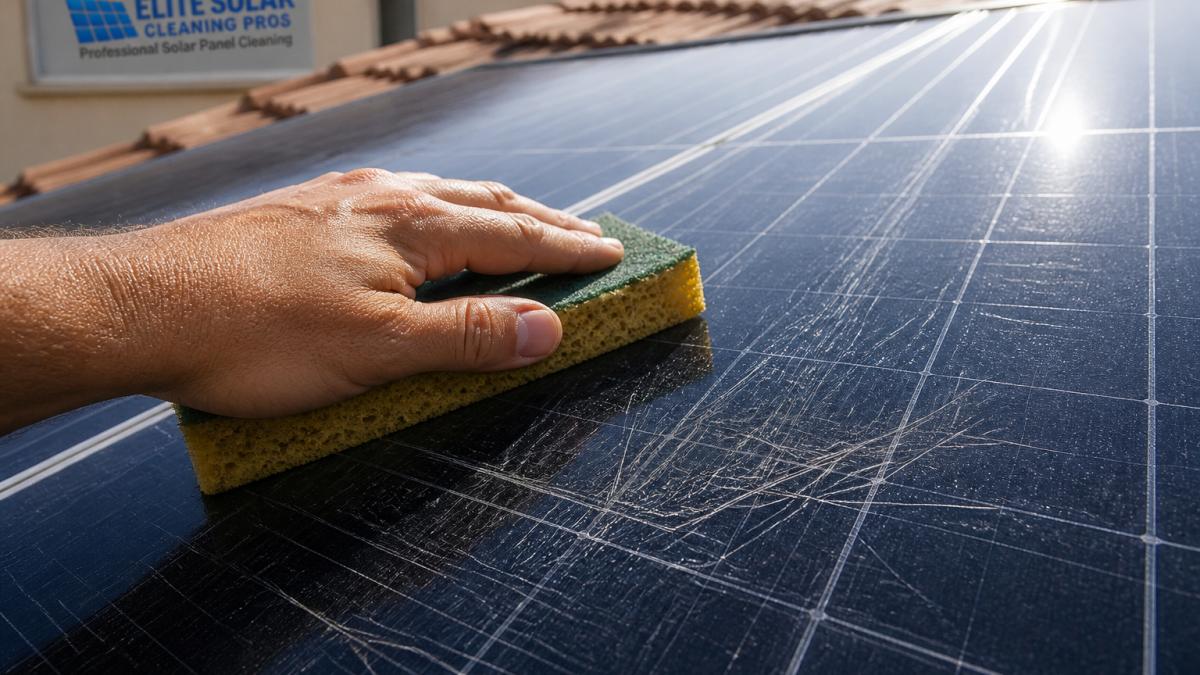
Common solar panel damage from improper cleaning includes scratched glass, stress cracks, water intrusion, and failed connections. Each cuts power output and can void your warranty.
The damage usually isn't visible from the ground. You won't notice a hairline crack or scratched coating until your energy bill creeps up or an inspector finds it.
Solar panels are built to survive hail and heat. But they're not built to survive abrasive tools, harsh chemicals, or a pressure washer aimed at the edges.
Every one of these mistakes is preventable. Below, we'll walk through the specific errors, the damage they cause, and how to clean your panels without risking your investment.
The Most Common Cleaning Mistakes and the Damage They Cause
The biggest mistake is treating solar panels like a dirty window.
Here's a mistake-to-damage-to-prevention map:
| Cleaning mistake | Damage it causes | Safer alternative |
|---|---|---|
| Pressure washing | Forces water past frame seals and into the junction box; can crack glass at the edges | Rinse with a garden hose on low pressure or a water-fed pole |
| Abrasive pads, steel wool, or stiff brushes | Scratches the anti-reflective coating; scratches block light and seed hot spots | Soft-bristle brush or microfiber mitt |
| Harsh chemicals, dish soap, or acidic cleaners | Leaves a film that traps dust; can eat into the frame's anodized coating and dry out sealant | pH-neutral soap diluted in water, only for stubborn spots |
| Cleaning hot panels with cold water | Thermal shock cracks the glass, often near the frame | Clean on a cool, overcast morning |
| Scrubbing dry panels | Grinds dust and grit into the glass like sandpaper | Rinse first, then wash |
| Wiping with towels or paper towels | Drags grit across the glass and leaves lint that attracts more dust | Air dry with deionized water |
| Spraying water at connectors or the junction box | Water intrusion, corrosion, and ground-fault faults | Keep water off all wiring and electrical components |
Why pressure washing is the worst offender. A pressure washer delivers water at forces the seals were never engineered to resist. Water pushes past the frame gasket, pools around the junction box, and corrodes the connections inside.
Why abrasives are the sneaky one. A scratch in the anti-reflective coating doesn't look dramatic, but that coating lets light pass through to the cells instead of bouncing off.
Why thermal shock cracks glass. On a sunny afternoon, panel glass runs far hotter than the surrounding air.
The damage rarely shows up right away. It builds over months, more haze, more heat, less output, until the loss is big enough to notice on a bill.
How to Clean Solar Panels Safely: Step-by-Step
Safe cleaning comes down to three things: the right water, tools, and timing. Here's a common method for safe cleaning.
Total time: 30-60 minutes for a typical home system Difficulty: Moderate (roof access required)
What You'll Need
- Soft-bristle brush or microfiber mitt
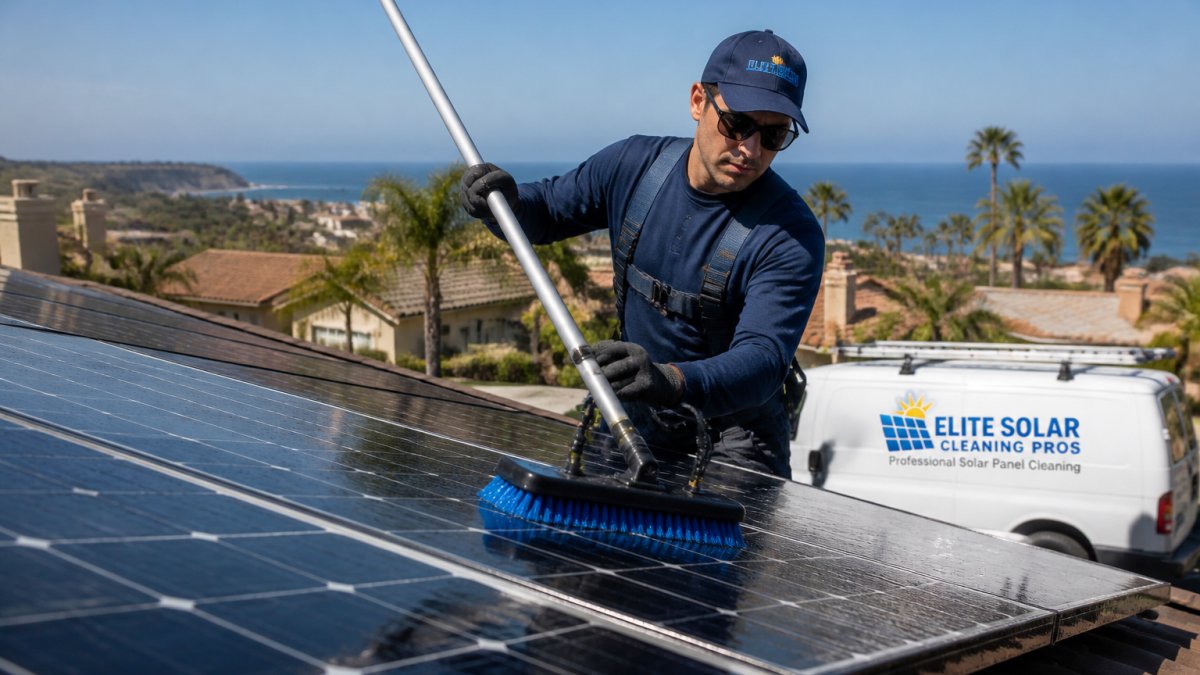
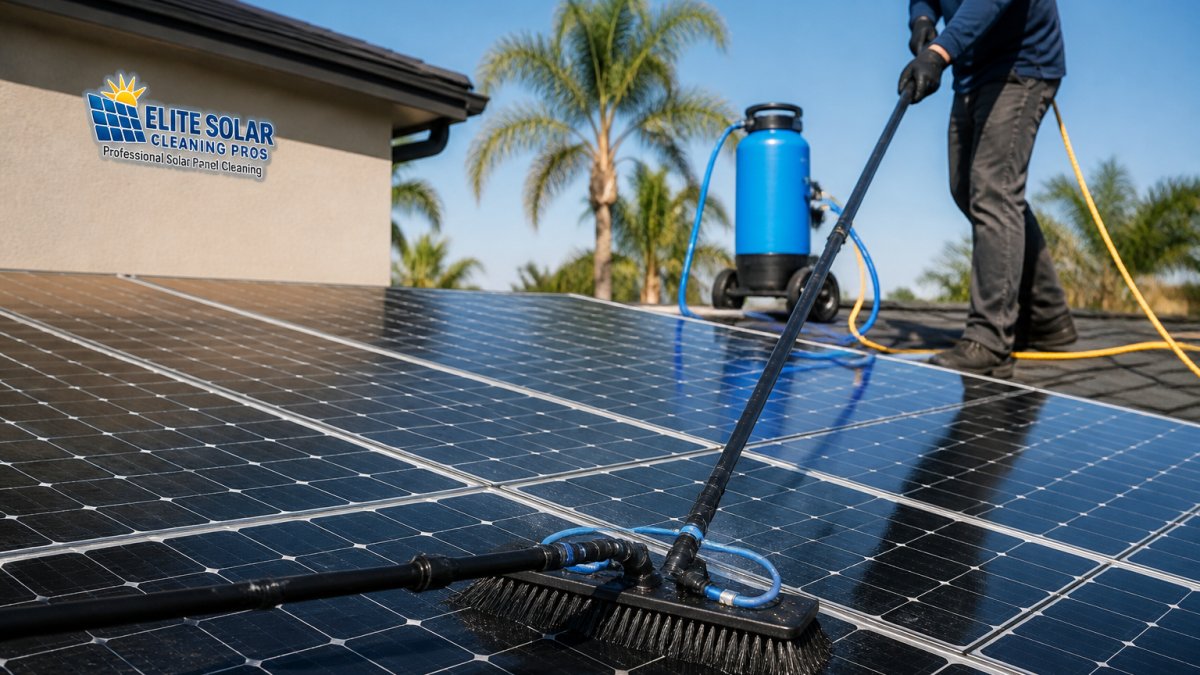
- Extendable water-fed pole
- Deionized (DI) water or filtered water
- Mild, pH-neutral soap (only for stubborn spots)
- Safety harness and non-slip shoes
Step 1: Check the Weather and Timing
Clean on a cool, overcast morning, never in direct midday heat. The glass can be 40 degrees hotter than the air, and cold water on hot glass causes thermal shock.
Step 2: Rinse First
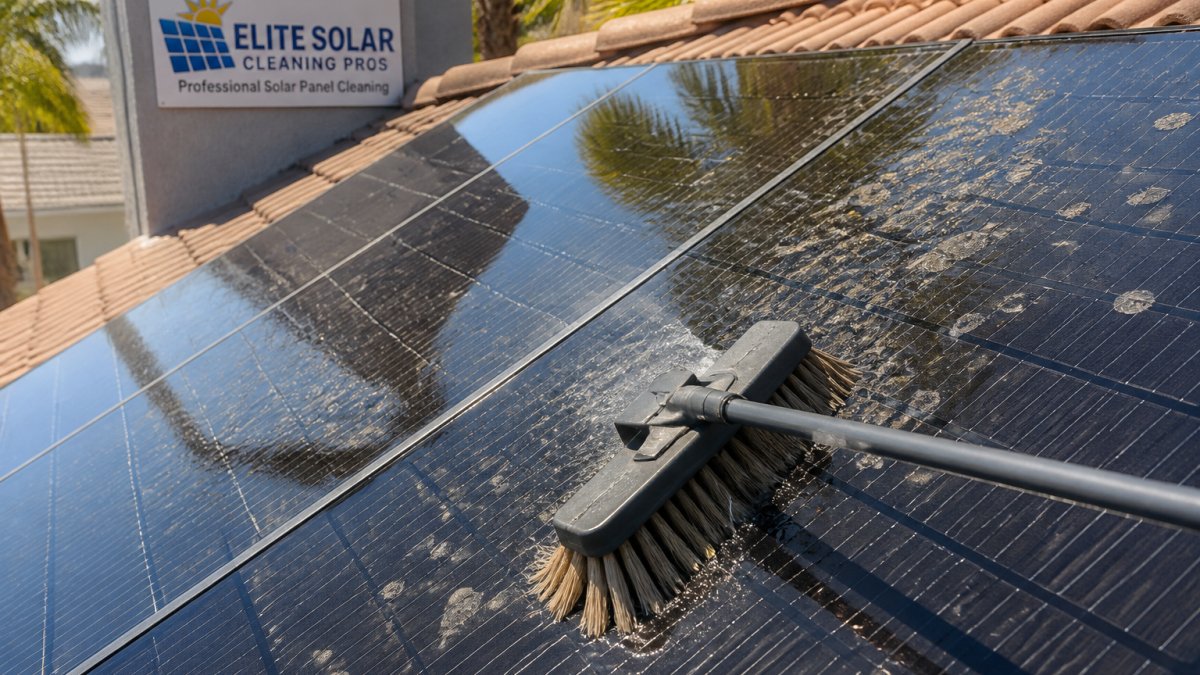
Rinse the whole panel before touching it to remove loose dust and grit so you don't grind it into the glass.
Step 3: Wash Gently
Use a soft brush or mitt with light pressure. Work top to bottom. Let the water and gravity do most of the work.
Step 4: Rinse and Let It Air Dry
Rinse with DI water and let the panels air dry. DI water leaves no spots because it has no minerals.
Water Temperature, Mineral Content, and Drying Practices
This is the step most people rush, and it's where damage happens.
Water temperature matters. Use water close to air temperature, cold water on hot glass is the number one cause of stress cracks.
Mineral content matters just as much. Tap water carries calcium and other minerals that dry into a film blocking sunlight and attracting more dust. DI water has those minerals removed.
Drying matters too. Let panels air dry instead of wiping them, towels and rags drag grit across the glass and leave lint behind.
Solar Panel Cleaning Tools: What to Use and What to Avoid
The right tools cost less than one damaged panel.
| Tool | Use It? | Why |
|---|---|---|
| Soft-bristle brush | Yes | Lifts dirt without scratching |
| Microfiber mitt | Yes | Gentle on the coating |
| Water-fed pole | Yes | Keeps you off the roof |
| DI water system | Yes | No spots, no minerals |
| Pressure washer | No | Forces water past seals |
| Abrasive scrubber | No | Scratches the glass |
| Dish soap | No | Leaves film, harms frame |
| Paper towels | No | Lint and grit damage |
If you're not comfortable on a roof, call a professional. The risk isn't worth it.
Solar Panel Cleaning Frequency: How Often Is Enough?
Most homes need a cleaning once or twice a year, but your schedule depends on where you live and what's around you.
Clean more often if you deal with:
- Heavy dust or pollen seasons
- Bird droppings under flight paths
- Tree sap or leaf litter
- Nearby construction or farmland
Clean less often if you get regular rain and live in a clean area. Rain rinses light dust, but it doesn't remove stuck-on grime or bird droppings.
A good rule: check your panels every few months. If you can see a dull film or spots, it's time. If output drops and you can't explain it, dirt is the first thing to rule out.
How to Recognize Cleaning-Related Solar Panel Damage
Damage from bad cleaning looks different from storm damage, manufacturing defects, or normal wear. Knowing which signs point to a cleaning mistake helps you catch problems early and gives you evidence for a warranty claim.
Visible signs on the glass
- Fine swirl marks or parallel scratches. These come from abrasive pads, stiff brushes, or dry scrubbing, and usually run in the direction the tool was moved. Storm damage leaves pits and chips, not directional scratches.
- Cloudy or hazy patches. A dull, milky area that won't rinse clean often means the anti-reflective coating has been worn or chemically etched, unlike a uniform dust film, which rinses off.
- Cracks that start at the frame edge. Thermal shock and pressure washing concentrate stress at the edges, so cracks radiating inward from the frame signal cleaning damage. Impact cracks from hail usually have a visible strike point in the middle.
- White, chalky water spots that won't rinse off. These are mineral deposits from tap water. They etch into the glass over time and attract more dust, so the film thickens with each cleaning.
Signs at the frame, seals, and junction box
- Lifted, cracked, or shrunken sealant along the frame. This is where water intrusion starts.
- Corrosion or discoloration around the junction box or connector pins.
- Moisture or fogging visible inside the panel laminate, a clear sign water has breached the seal.
- Brittle or chalky frame finish where harsh chemicals have eaten into the anodized coating.
Signs in your system's output
- A gradual drop in production that doesn't track with weather or season. Dirt and coating damage both show up this way.
- A sudden drop on one panel or string. This often points to a hot spot, water intrusion, or a failed connection, all possible downstream effects of improper cleaning.
- Inverter error codes related to ground faults or arc faults, which can follow water intrusion into the junction box.
How to tell cleaning damage from unrelated faults
A few quick distinctions help:
- Uniform soiling across every panel usually means normal dust and pollen, not damage.
- Damage concentrated on one or two panels often points to a specific event, a pressure-washed section, a hard-scrubbed spot, or a chemical spray.
- Damage along the frame edges and seals is the signature of water and thermal stress, not impact.
- Damage in the center of the glass with a visible strike point is more likely hail or debris.
What to do when you spot a sign
- Photograph it from multiple angles, including a wide shot showing the panel's location in the array.
- Note the date you first saw it and any cleaning in the weeks before.
- Check your panel manual for the manufacturer's inspection and cleaning guidance.
- Contact your installer or the manufacturer before any repair. Some damage, like coating wear or seal failure, can be assessed under warranty if it isn't tied to improper maintenance.
- Get a professional inspection if output has dropped unexplained. An inspector can distinguish soiling from physical damage and document it properly.
Solar Panel Cleaning Warranty: What Voids Coverage and How to Document Damage
Most panel warranties don't cover damage from improper cleaning. Manufacturers cover defects, not mistakes, if a technician finds scratch marks or water intrusion, they can deny the claim.
To protect your coverage:
- Follow the manufacturer's cleaning instructions exactly
- Keep records of who cleaned your panels and when
- Photograph your panels before and after any cleaning
- Save receipts from professional cleanings
A licensed and insured cleaner carries their own coverage. That protects you if a panel or your roof gets damaged during the job.
Electrical and Fall Safety During Solar Panel Cleaning
Safety is where the worst accidents happen, and there are two real risks: electricity and falls.
Panels produce power whenever there's light, even on a cloudy day the system is live. Never touch wiring, connectors, or the junction box, and never spray water directly at electrical components.
Roofs are steep and slick when wet, and most falls happen during cleaning, not installation.
Before you start:
- Turn off the system if your inverter allows it
- Never clean alone
- Use a proper harness and stable footing
- Stay off wet, steep, or fragile roofs
If any of this feels risky, that's your answer. Call a pro.
Cleaning your panels shouldn't put them at risk. The wrong tools, harsh chemicals, or a pressure washer can cause the exact damage you're trying to avoid. Elite Solar Cleaning Pros uses eco-friendly DI water cleaning, and our licensed and insured team protects your system from start to finish.
Frequently Asked Questions
What damage can improper solar panel cleaning cause?
Improper cleaning can scratch the glass surface with abrasive tools, crack panels from thermal shock when cold water hits hot glass, and leave mineral deposits that create hot spots. These issues reduce energy production and can lead to costly repairs. Using the wrong cleaning products or high-pressure water may also damage the frame and seals, allowing moisture to reach internal components and cause electrical resistance problems.
Can you scratch solar panels by cleaning them?
Yes. Abrasive materials like stiff brushes, scouring pads, and abrasive powders scratch the glass surface. Even fine scratches scatter sunlight and reduce how much energy reaches the solar cells, lowering power output. Once glass is scratched, it cannot be repaired. Always use soft brushes or microfiber tools and plenty of water to lift dirt without grinding it into the panel surface.
Can improper cleaning void a solar panel warranty?
Many manufacturer warranties exclude damage caused by improper cleaning or unauthorized maintenance. If scratched glass, cracked panels, or water damage results from abrasive tools or high-pressure washing, the manufacturer may deny a claim. Before cleaning, check your warranty terms and the manufacturer's recommended cleaning method. Document your system's condition with photos before and after any cleaning, and keep records of who performed the work.
How do you clean solar panels safely?
Clean solar panels safely by working early in the morning when panels are cool, using a soft-bristled brush or microfiber cloth with plain water or a mild soap, and avoiding abrasive materials or high-pressure sprayers. Never use cold water on hot panels because thermal shock can crack the glass. For roof-mounted systems or panels with existing damage, hire a licensed and insured professional who follows manufacturer guidelines and uses proper safety equipment.