 blog
6 Solar Panel Cooling Systems That Boost Home Energy Output
Last Updated: October 25, 2026
Quick Summary
Solar panel cooling systems reduce panel temperature to boost energy output, with methods ranging from passive air clearance that lowers temperature by 3-8°C to water cooling that achieves 15-25°C reduction. For every degree Celsius above 25°C, most residential panels lose roughly 0.4% of their output, making temperature management one of the most cost-effective ways to improve system performance.
- Passive air clearance costs minimal beyond standard racking and reduces panel temperature by roughly 3-8°C with no electricity needed
- Water cooling delivers the largest temperature reduction of 15-25°C but requires high installed costs, ongoing maintenance, and electricity for the pump
- Professional cleaning removes soiling that acts as an insulating layer, improving both light transmission and heat dissipation for 5-10°C indirect temperature reduction
- Active air cooling with fans achieves 8-15°C reduction but fans draw 100-300 watts, requiring a net-energy calculation to confirm payback
- Start with passive clearance, reflective surfaces, and cleaning before investing in active cooling systems
Table of Contents
- Why Solar Panel Temperature Matters for Your Energy Output
- How to Cool Solar Panels: Your Main Options
- Water Cooling Solar Panels: Cost, Maintenance, and Real Performance
- Solar Panel Cleaning and Performance: The Often-Overlooked Cooling Method
- Cooling vs. Cleaning: Which Gives You Better Returns
- Choosing the Right Solar Panel Cooling System for Your Home
- Frequently Asked Questions
Why Solar Panel Temperature Matters for Your Energy Output
Solar panel cooling systems are essential for maximizing the energy your installation produces. As solar panels heat up, their efficiency drops: for every degree Celsius above 25°C, most residential panels lose roughly 0.4% of their output. Learn why solar output drops in summer to understand the specific mechanisms of how heat reduces solar panel performance.
Solar panels generate electricity through photovoltaic cells that respond to solar radiation, and the more they absorb, the hotter they get.
The good news is that understanding this relationship opens up practical solutions. Whether you're dealing with summer heat in a warm climate or just want to squeeze every kilowatt from your system, panel temperature management directly affects your bottom line.
How to Cool Solar Panels: Your Main Options
Most homeowner guides blur three different goals together: lowering PV panel temperature, cooling the building with solar-powered equipment, and using solar thermal collectors. This section separates those goals and compares panel-cooling methods on installed cost, operating energy, maintenance, climate fit, and net energy gain.
First, separate the three goals
- Panel-temperature management. Airflow, water loops, reflective surfaces, and cleaning all aim to keep the PV cells closer to their rated operating temperature so they convert more of the sunlight they receive.
- Solar-powered building cooling. A solar array can offset the electricity used by an air conditioner or heat pump. This does not cool the panels; it cools the house and shifts the cost of comfort onto solar production.
- Solar thermal heating and cooling. Solar thermal collectors absorb heat for water heating or absorption cooling. These are separate from PV panels and are not a panel-cooling strategy.
Air-based cooling and ventilation
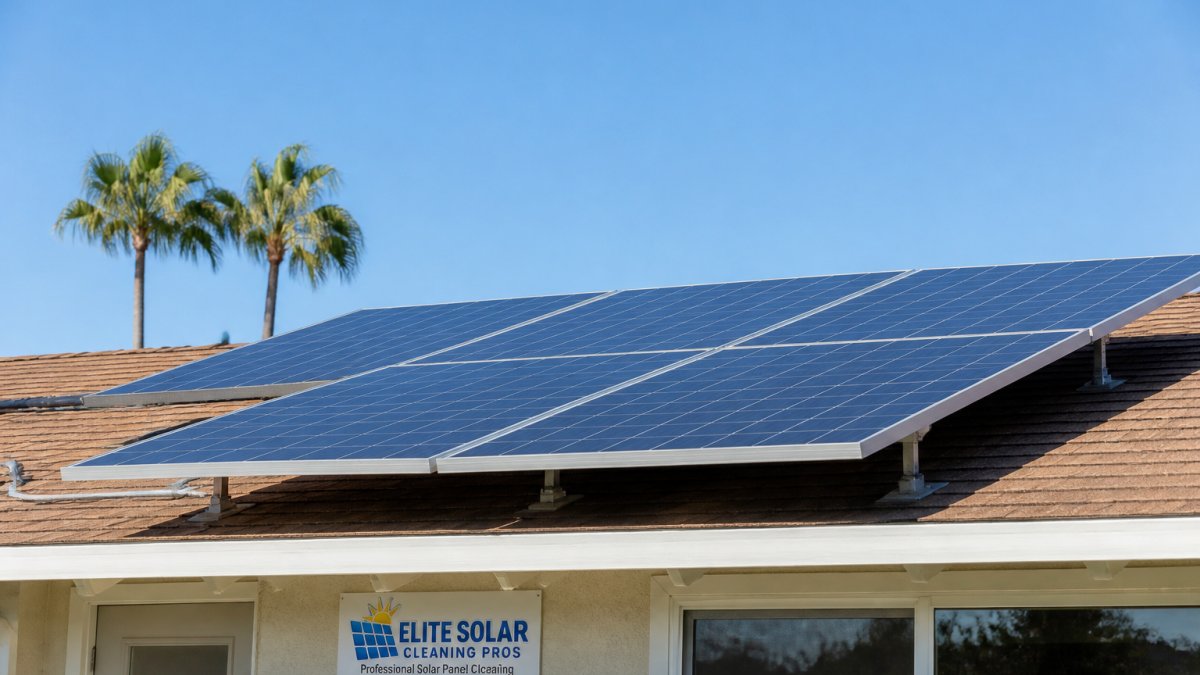
Air cooling moves air across or beneath the panels to carry heat away. Passive clearance, mounting panels a few inches above the roof so natural convection pulls cool air underneath, costs little beyond standard racking and typically reduces panel temperature by roughly 3-8°C.
Practitioners report that small fans may draw 100-300 watts while the array gains a few hundred watts during peak heat. The net gain is real but smaller than the gross temperature drop suggests, and it disappears on mild days.
Water-based cooling systems
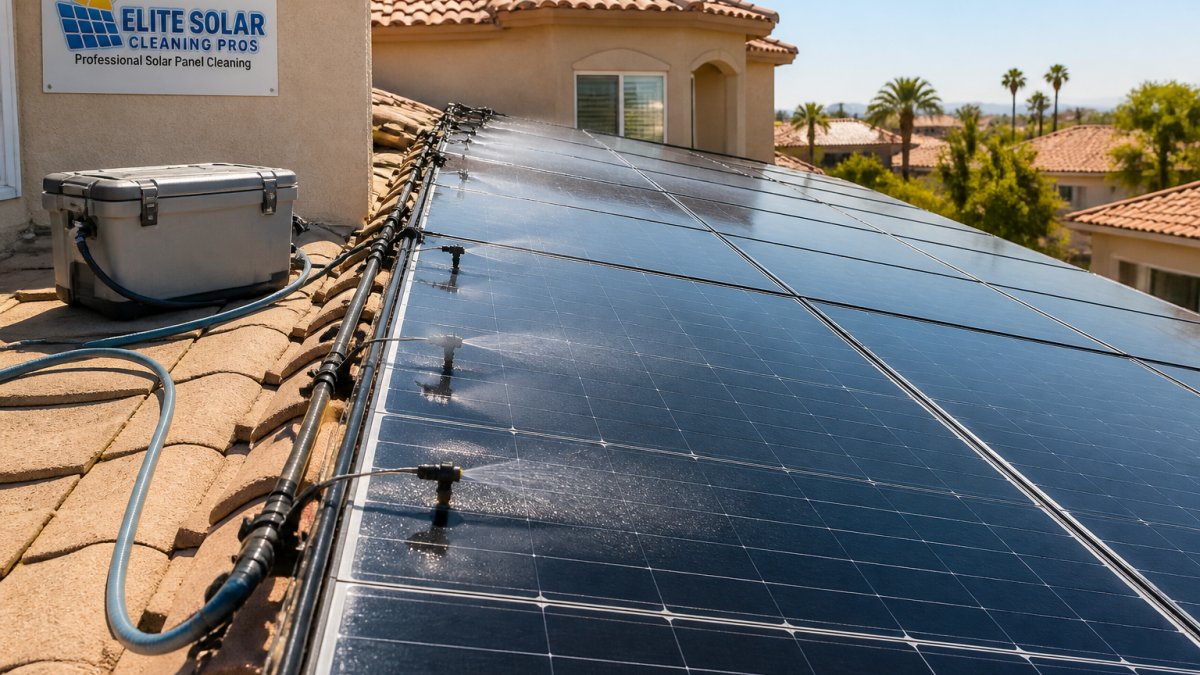
Water cooling circulates coolant through channels on the back of the panels or through specialized panel designs. It is the most aggressive method, with reported reductions of roughly 15-25°C, and can recover a meaningful share of heat-related output loss. Trade-offs include a pump, circulation lines, a heat exchanger or radiator, temperature monitoring, and ongoing maintenance against leaks, mineral buildup, and corrosion, plus water use and freeze protection depending on climate.
Passive cooling with reflective surfaces and landscaping
Light-colored roofing, reflective coatings, and reflective films on mounting hardware reduce ambient heat radiating up to the panels. The effect is modest, often 2-5°C, but costs little and needs no electricity. Strategic landscaping can shade the roof during hot afternoons, but shade falling on the panels themselves reduces generation, so evaluate the trade-off panel by panel.
Homeowner comparison: cost, energy, and maintenance
Exact installed prices vary widely by roof, region, and contractor, so treat the ranges below as planning figures rather than quotes.
| Method | Typical panel temp reduction | Installed cost range (planning) | Operating energy | Maintenance burden | Best-fit conditions |
|---|---|---|---|---|---|
| Passive air clearance | ~3-8°C | Minimal beyond standard racking | None | None | Most pitched roofs; default first step |
| Active air (fans/ducts) | ~8-15°C | Moderate | Fans draw electricity | Periodic fan and wiring checks | Hot, low-wind roofs with high summer irradiance |
| Water cooling loop | ~15-25°C | High (pump, piping, heat exchanger, controls) | Pump electricity; possible water use | Leak checks, coolant flushes, mineral control | Very hot climates; commercial or large residential arrays |
| Reflective roof/surfaces | ~2-5°C | Low to moderate | None | None | Flat or low-slope roofs; hot climates |
| Professional cleaning | Indirect; restores soiling losses | Low per visit | None | Scheduled visits | Dusty, pollen-heavy, or hard-water regions |
The net-energy test before you buy
Active cooling only pays if the extra electricity generated exceeds the electricity (and water) the cooling system consumes. Estimate the array's heat-related loss in kilowatt-hours for your hottest months, then subtract the cooling system's own consumption. If the net gain is small or negative in mild months, passive measures and cleaning are the better first spend, this net-energy framing keeps a cooling purchase from becoming a maintenance liability.
The U.S. Department of Energy's solar performance research
Water Cooling Solar Panels: Cost, Maintenance, and Real Performance
Water cooling delivers the largest temperature reduction of any panel-cooling method, but it is also the most demanding on a homeowner's budget, roof, and schedule. This section covers what the cost consists of, what maintenance looks like in practice, and the warranty, safety, and code questions that matter.
What drives the installed cost
A residential water-cooling retrofit is a custom project, not a product you buy off a shelf. The cost components typically include:
- Panel-side hardware. Cooling channels or heat-exchange plates attached to the back of the panels, plus manifolds and fittings.
- Circulation and heat rejection. A pump, expansion tank, piping, and a radiator or heat exchanger to reject the collected heat.
- Controls and monitoring. Temperature sensors, a controller, and shutoff valves to prevent overheating or freeze damage.
Because every roof and array is different, planning ranges are wide. Expect a four- to five-figure installed cost for a whole-roof residential retrofit, with the upper end driven by roof complexity, pipe runs, and whether heat is rejected to air or a storage tank. Get at least three itemized bids separating equipment, labor, and permitting.
Operating cost and water use
The pump consumes electricity continuously while the system runs, and that consumption must be subtracted from the array's heat-related gain. A closed loop recirculates the same coolant and uses water only for makeup, while an open or once-through design uses municipal or groundwater and can consume substantially more, in regions with water restrictions or high rates, an open design can erase the economics entirely.
Maintenance realities: leaks, minerals, and freeze risk
Maintenance is ongoing and cannot be deferred without losing performance:
- Leaks. Roof-mounted piping and fittings are the most common failure point. Slow leaks can damage roofing and insulation before they are noticed.
- Mineral buildup. Hard water leaves scale inside channels and heat exchangers, reducing heat transfer over time. Closed loops with treated coolant slow this, but periodic flushing is still required.
- Freeze protection. In cold climates, coolant must be freeze-protected or the loop must be drained seasonally, adding labor and complexity.
Warranty, safety, and code considerations
These decision-critical details are often omitted:
- Panel warranty. Many manufacturers require approved mounting and wiring practices and may limit coverage if aftermarket hardware is attached to the panel frame or backsheet. Check the warranty terms before drilling, bonding, or clamping anything to a panel.
- Roof warranty. Roof penetrations for piping and mounting can affect roofing material warranties. Confirm with the roofer and keep documentation.
- Electrical safety. Pumps, controllers, and sensors add electrical connections on a roof. Work should be permitted and inspected where required, and ground-fault and rapid-shutdown requirements for the PV system must still be met.
Real performance and payback
In very hot climates where panels routinely run well above their rated operating temperature, water cooling can recover enough output to justify its cost over a long horizon. In moderate climates, payback stretches out and the maintenance burden dominates. Water cooling is best reserved for large residential arrays in hot climates, or installations where captured heat can be used for something else, such as preheating domestic hot water.
The National Renewable Energy Laboratory's analysis of cooling technologies
Solar Panel Cleaning and Performance: The Often-Overlooked Cooling Method
Dirt, dust, and mineral deposits on your panels reduce their ability to absorb sunlight and dissipate heat efficiently.
Professional panel cleaning removes this soiling layer, serving two purposes: it immediately restores light transmission, increasing energy output, and it improves heat dissipation by removing the insulating layer of dust and deposits. Clean panels run cooler and more efficiently than dirty panels, even without a dedicated cooling system.
The cleaning method matters: abrasive brushes or harsh chemicals can damage anti-reflective coatings.
Regular cleaning is particularly important in dry climates or areas with high dust, pollen, or mineral-laden water. In these regions, panels can lose 15-30% of their output to soiling within 6-12 months.
Cooling vs. Cleaning: Which Gives You Better Returns
Cooling systems promise significant temperature reduction, but at a high upfront cost and ongoing maintenance expense. Cleaning is inexpensive, delivers immediate results, and requires minimal maintenance.
A clean panel runs cooler and generates more power than a dirty panel.
Cleaning costs a fraction of a cooling system, delivers results immediately, and requires no electricity.
For most residential installations, cleaning should be your first priority.
| Approach | Temperature Reduction | Upfront Cost | Annual Maintenance | Payback Period |
|---|---|---|---|---|
| Professional Cleaning | 5-10°C (indirect via soiling removal) | Low | Minimal | Immediate |
| Air Cooling (passive) | 3-8°C | Minimal | None | Immediate |
| Air Cooling (active) | 8-15°C | Moderate | Electricity cost | 5-8 years |
| Water Cooling | 15-25°C | High | High | 8-15 years |
| Reflective Surfaces | 2-5°C | Low | None | Immediate |
Choosing the Right Solar Panel Cooling System for Your Home
Your choice depends on your climate, current panel performance, and budget.
Start by assessing your actual problem. If your panels are dirty, cleaning solves it.
For most homeowners, the best approach is two steps. First, establish a regular professional cleaning schedule to remove the soiling layer that reduces both light absorption and heat dissipation. Second, evaluate remaining temperature-related losses; if still significant, consider passive cooling like improved roof ventilation or reflective surfaces before investing in active systems.
If cooling is necessary, passive methods are the best starting point: they cost little, require no electricity, and deliver modest but real benefits.
The most important step is ensuring your panels stay clean. At Elite Solar Cleaning Pros, we help homeowners maintain peak panel performance through professional cleaning using eco-friendly deionized water methods.
Regular cleaning is the foundation of any effective solar panel cooling strategy. Learn more about our solar panel cleaning process to see how professional maintenance keeps your system performing at its best, and explore the hidden costs of solar maintenance to understand the full picture of long-term system care.
Frequently Asked Questions
Does cleaning solar panels help them produce more electricity?
Yes. Dust, pollen, and debris reduce light absorption and increase panel temperature. Professional cleaning with deionized water can restore up to 30% of lost energy output. The effect is especially noticeable in dry climates or after months without rain. Regular cleaning is often more cost-effective than active cooling systems for most homeowners.
How much do residential solar panel cooling systems cost?
Costs vary widely by method. Request a quote to compare options for your specific system.
Do solar panels lose efficiency when they get hot?
Yes. Solar panels lose approximately 0.5% of efficiency for every 1°C above 25°C (77°F). On hot days, panel temperatures can exceed 65°C (149°F), cutting efficiency by 20% or more. Cooling systems and regular cleaning both address this by reducing operating temperature and removing heat-trapping debris. The hotter your climate, the greater the benefit from cooling or maintenance.
Are water-based solar panel cooling systems worth it for homes?
Water-based cooling works well in hot, dry climates where temperature loss is severe. However, they require regular maintenance to prevent mineral buildup and leaks, and the electricity used by the pump often offsets 30-50% of the energy gained. For most homeowners, professional cleaning delivers faster payback. Water systems make more sense for large commercial installations or homes in extreme heat zones with high electricity rates.
Getting the most from your solar panels means addressing heat and soiling together. Start with professional cleaning to remove the insulating layer of dust and deposits, then evaluate cooling systems only if temperature remains a limiting factor. Elite Solar Cleaning Pros helps you maximize energy output through expert cleaning with eco-friendly methods. Get a free quote and discover how much output your panels could recover.