 blog
blog
OnPoint Solar Cleaning vs Spark Solar: 2026 Comparison
Table of Contents
- How OnPoint and Spark Solar Cleaning Compare at a Glance
- Cleaning Methods: Deionized Water vs Traditional Approaches
- Solar Panel Cleaning Cost: What Drives the Price Difference
- Benefits of Professional Solar Cleaning for Your System
- Solar Panel Maintenance Schedule: How Often to Book Cleaning
- Safety, Licensing, and Warranty Implications
- Which Solar Cleaning Service Is Right for You?
- Conclusion
- Frequently Asked Questions
Last Updated: September 30, 2026
How OnPoint and Spark Solar Cleaning Compare at a Glance
Solar panel cleaning is the process of removing dust, pollen, bird droppings, and other debris from photovoltaic surfaces so they can convert sunlight at full capacity. Solar panel cleaning is the process of removing dust, pollen, bird droppings, and other debris from photovoltaic surfaces so they can convert sunlight at full capacity.
Cleaning Methods: Deionized Water vs Traditional Approaches
A water filtration system that produces deionized (DI) water is the industry standard for a reason: it strips dissolved minerals before the water touches glass.
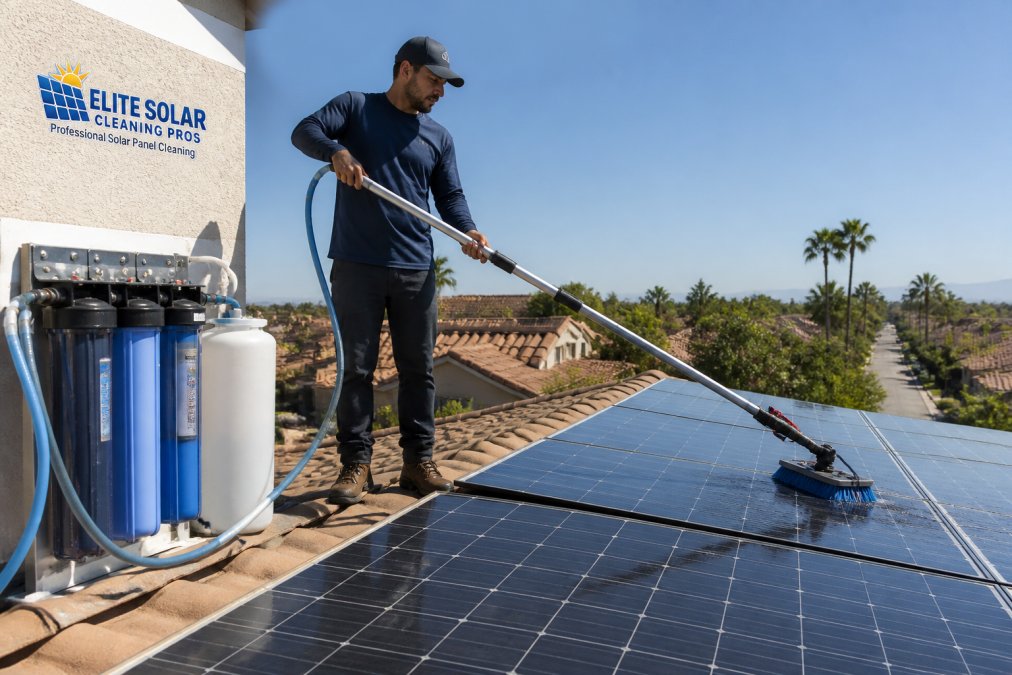
Traditional approaches use tap water, which leaves mineral deposits behind as it dries. Over months, that film scatters light and shows up as a slow dip in energy output. Abrasive-free cleaning with a soft brush avoids micro-scratches that trap surface contaminants.
Solar Panel Cleaning Cost: What Drives the Price Difference
Solar panel cleaning cost depends on panel count, roof pitch, access, and water treatment, not on the company's logo. That is why two quotes for the same home can differ sharply.
Pricing generally scales with:
- Number of panels and array layout
- Roof height, pitch, and safety requirements
- Whether filtered water is used or tap water
- Travel distance and scheduling flexibility
The cost-benefit math most quotes skip
A cleaning quote is only worth comparing against the value of the energy you are losing. The framework is simple, and you can run it yourself:
- Find your system's rated capacity in kilowatts (it is on your monitoring app or the original install paperwork).
- Estimate your soiling loss. In most residential settings, a dirty array loses a low single-digit percentage of production between cleanings; heavy pollen, agricultural dust, or bird activity can push that higher.
- Multiply that lost percentage by your system's monthly production and your local utility rate to get the dollars you are leaving on the roof each month.
- Compare that monthly figure to the one-time cleaning quote. If the quote is larger than the recoverable energy value over the cleaning interval, the cleaning is a maintenance decision, not a savings decision, and that is fine, as long as you know which one you are making.
What a low quote usually means
A quote that is dramatically lower usually means tap water and a garden hose. You save now and pay later in mineral spotting that can be hard to reverse. The reverse is also true: a premium quote only earns its premium if the provider can tell you the total dissolved solids reading of its water and the brush material it uses on glass.
Request a free quote and we will price your actual array, not a generic tier.
Benefits of Professional Solar Cleaning for Your System
The benefits of professional solar cleaning go beyond appearance. Soiling loss from dust, pollen, and bird droppings quietly cuts production every month it goes untreated.
Professional cleaning restores photovoltaic efficiency and supports performance monitoring data you can actually trust. When panels are dirty, your monitoring app shows a decline you cannot diagnose. Clean panels give you a clean baseline.
The return on investment shows up in two places: higher energy production metrics and longer system longevity. Preventative maintenance also catches cracked glass, loose mounting, and environmental debris buildup before it becomes a repair.
Solar Panel Maintenance Schedule: How Often to Book Cleaning
The solar panel maintenance schedule most homeowners should follow is twice a year, with a third cleaning if you live near heavy pollen, agriculture, or a busy road. Residential solar maintenance rarely needs monthly attention.
| Situation | Cleaning Frequency | Why |
|---|---|---|
| Standard suburban roof | Twice yearly | Balances cost and output |
| Near trees or farmland | Three times yearly | Pollen and bird activity |
| Desert or dusty area | Three to four times | Heavy soiling loss |
| Commercial solar arrays | Quarterly | Performance reporting needs |
Commercial solar arrays and utility-scale cleaning follow tighter schedules because downtime costs more. For homes, an annual cleaning schedule with one mid-year touch-up covers most cases.
Safety, Licensing, and Warranty Implications
Roof safety is the part homeowners underestimate. Falls, not panel damage, are the real risk when someone climbs a steep roof without proper gear. That risk is the reason this section exists at all, and it is the part most cleaning companies will not talk about, because it argues against the DIY route they sometimes sell.
The DIY risk nobody prices in
Cleaning your own panels sounds like a weekend project. The hazards are not obvious from the ground:
- Fall risk. A wet, pitched roof is a slip hazard even for someone comfortable with heights. Most residential roofs have no anchor points, and a fall from a single-story roof is still a serious injury.
- Electrical risk. Panels produce voltage whenever sunlight hits them. They cannot be switched off at the panel the way a light fixture can. Damaged wiring, a cracked junction box, or a compromised connector turns a rinse into a shock hazard.
- Thermal shock. Spraying cold water on hot glass in direct afternoon sun can stress the panel and its seals. Early morning or evening cleaning is the safer window.
- Scratch risk. A household brush, a pressure washer, or a abrasive pad leaves micro-scratches that trap dirt and permanently reduce light transmission.
A licensed, insured crew carries coverage if a worker is hurt or a panel cracks. An uninsured handyman leaves you exposed, and if you do the work yourself, you carry that exposure personally.
How improper cleaning voids your warranty
Warranty implications are just as important, and they are the angle most comparison articles skip. Most panel manufacturers require that cleaning be done with non-abrasive methods and no harsh chemicals. Tap water spotting and abrasive brushes can void coverage. Deionized water and soft brush technology keep you compliant.
The mechanism matters: manufacturers warrant against defects in materials and workmanship, and they exclude damage caused by improper maintenance. If a panel fails and the manufacturer can point to scratch patterns, mineral etching, or chemical residue, the claim can be denied, even if the underlying defect was theirs. That is why documentation is your friend. A provider that photographs the array before and after, and notes the water quality and method used, gives you a paper trail if a warranty claim ever comes up.
Which Solar Cleaning Service Is Right for You?
The right choice depends on your priorities, not on which brand name is louder. Here is the honest breakdown.
Choose OnPoint Solar Cleaning if: you want a standardized franchise process and predictable scheduling, and you are comfortable paying a bit more for structure.
Conclusion
Elite Solar Cleaning Pros uses eco-friendly DI water cleaning, a licensed and insured team, and a process designed to restore up to 30% of your system's energy output. Get a free quote and find out what your panels could be producing.
Frequently Asked Questions
Does cleaning solar panels really make a difference in energy output?
Yes. Dust, bird droppings, and mineral deposits block sunlight and reduce photovoltaic efficiency. In dry or dusty regions, soiling loss can cut energy output noticeably. Professional cleaning with deionized water and soft brushes removes these contaminants without scratching the glass, helping your system return to peak production. Many homeowners see improved energy production metrics after a thorough cleaning, especially if panels have not been serviced in over a year.
How often should I schedule professional solar panel cleaning?
Most homes benefit from professional cleaning once or twice a year. A solar panel maintenance schedule depends on your location, nearby trees, bird activity, and dust levels. Homes near farmland, highways, or heavy tree cover may need quarterly service. Check your energy production metrics monthly; if output drops without a weather explanation, it is time to book a cleaning. Setting an annual cleaning schedule with a spring and fall visit works well for many systems.
Are there local solar cleaning companies that use eco-friendly DI water?
Yes. Some providers use deionized (DI) water, which has minerals removed through a water filtration system. DI water dries without leaving spots or mineral deposits on the glass. It is abrasive-free and does not require soaps or chemicals, making it safe for surrounding landscaping and pets. When comparing providers, ask whether they use a spot-free rinse and soft brush technology, and confirm they carry proper licensing and insurance.
How do I choose between solar panel cleaning providers?
Start by requesting quotes and asking about their cleaning method, water type, and insurance coverage. A provider using deionized water and soft brushes protects your panels better than one using hard water or abrasive tools. Check for professional certification, ask for references from commercial solar arrays or HOA communities, and confirm they understand roof safety. Compare solar panel cleaning cost against the value of protecting your system and maintaining energy output.