 comparison
Top Tier Exteriors Alternatives for Solar
Table of Contents
- Why Homeowners Look Beyond Top Tier Exteriors for Solar Services
- Solar Panel Cleaning Cost and What to Expect
- How Often to Clean Solar Panels for Optimal Performance
- Solar Panel Cleaning with Deionized Water vs Other Methods
- Solar Panel Cleaning vs DIY: When to Hire a Professional
- Roofing and Solar Integration: Alternatives to Consider
- How to Choose the Right Solar Service Provider
- Frequently Asked Questions
Last Updated: October 11, 2026
Why Homeowners Look Beyond Top Tier Exteriors for Solar Services
When your solar panel system underperforms, the problem often isn't the panels themselves, it's dirt, dust, and mineral deposits blocking sunlight. Many homeowners discover that a top tier exteriors alternative for solar becomes necessary when their current provider lacks solar specialization. At Elite Solar Cleaning Pros, we understand that finding the right solar service provider requires looking beyond one-size-fits-all contractors. Homeowners choose alternatives to Top Tier Exteriors because they need specialized expertise in solar panel cleaning and maintenance, not general roofing or exterior work.
General contractors focus on roofing and repairs. Solar systems demand different expertise: understanding how dust reduces energy output, how to clean without damaging coatings, and how often maintenance matters for your situation. This distinction is critical when maximizing your solar investment and lowering electric bills.
Solar Panel Cleaning Cost and What to Expect
Professional solar panel cleaning cost depends on system size, roof pitch, accessibility, and cleaning method. Rather than guessing at pricing, reach out to providers like Elite Solar Cleaning Pros for a free quote tailored to your installation.
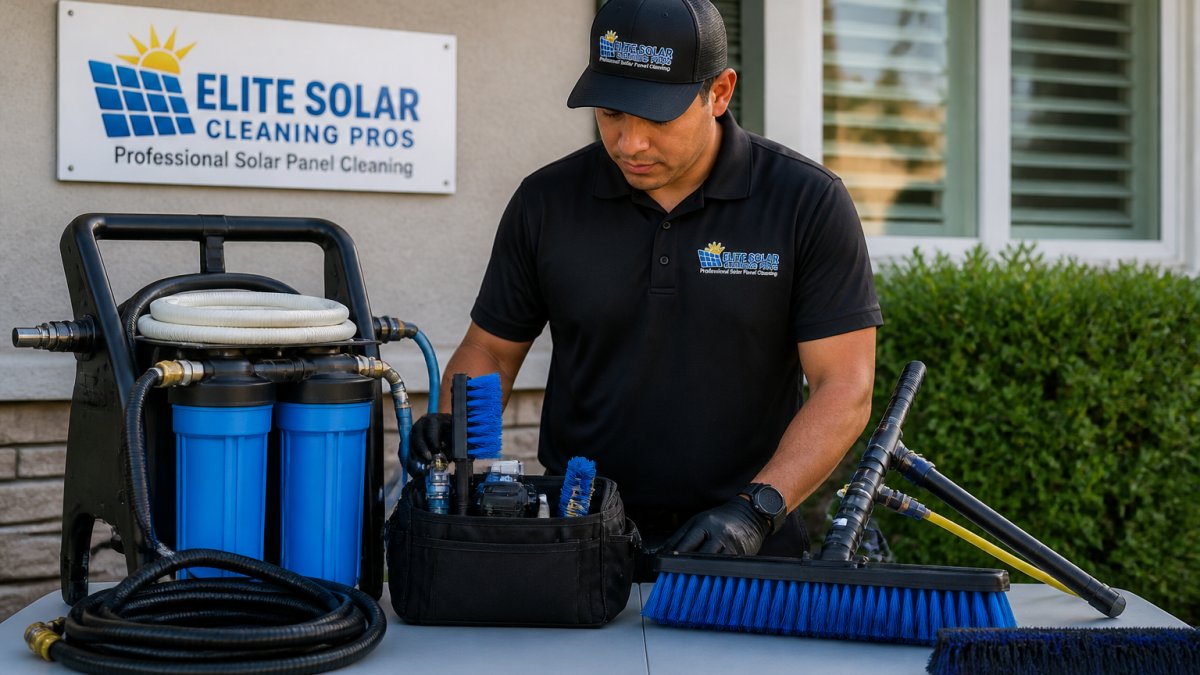
The investment varies based on panel count and access difficulty. Smaller residential systems typically cost less than large commercial installations. The eco-friendly deionized water method used at Elite Solar Cleaning Pros protects your panels.
What matters most is understanding what you're paying for: professional expertise, proper equipment, safety protocols, and the guarantee that your panels remain undamaged. Cheaper options sometimes cut corners on safety or use methods that scratch or degrade panel surfaces.
How Often to Clean Solar Panels for Optimal Performance
How often to clean solar panels depends on your local environment, weather patterns, and roof characteristics. In San Diego's climate, most homeowners benefit from professional cleaning once or twice per year. Dusty conditions, nearby construction, or coastal salt spray may require more frequent maintenance.
Monitor your system's energy output. If you notice production decline without obvious weather factors, cleaning is likely overdue. Many property managers and HOA boards in San Diego County establish annual maintenance schedules to ensure consistent performance.
Seasonal cleaning works well for most residential systems. Spring cleaning removes winter dust and debris. Fall cleaning prepares panels for winter months when energy production is already lower due to shorter days.
Solar Panel Cleaning with Deionized Water vs Other Methods
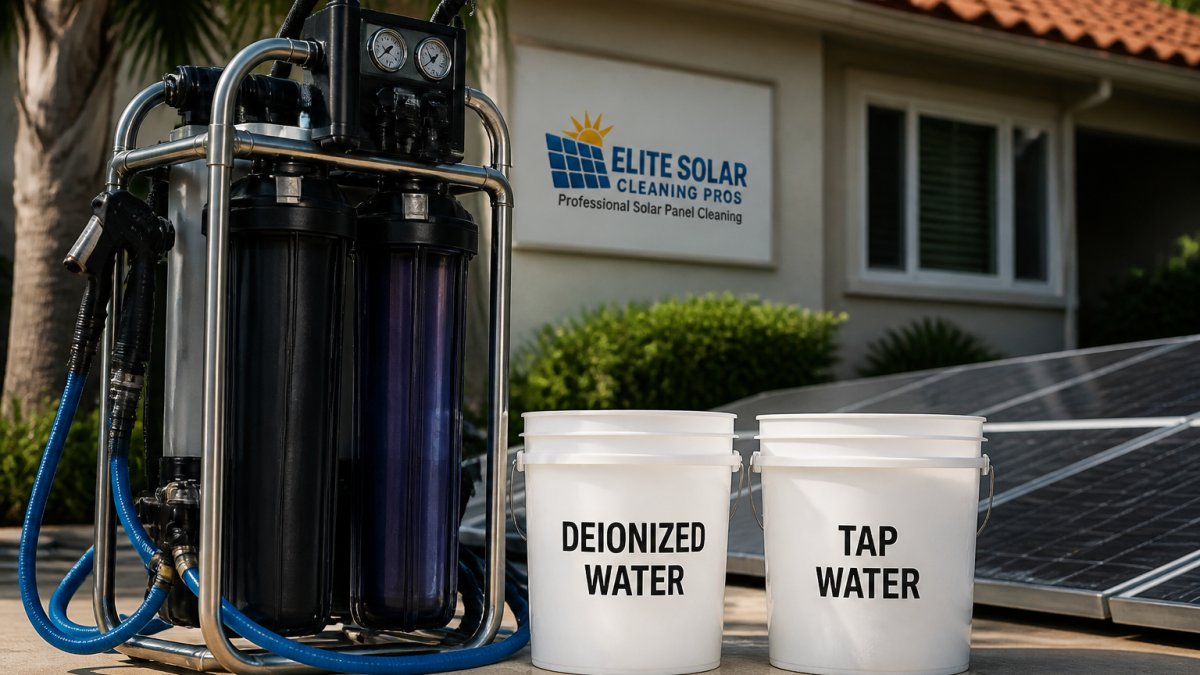
Professional solar panel cleaning with deionized water is an approach for protecting your investment while maximizing cleaning effectiveness. Deionized water removes minerals that standard tap water leaves behind, preventing streaks and residue that reduce light transmission.
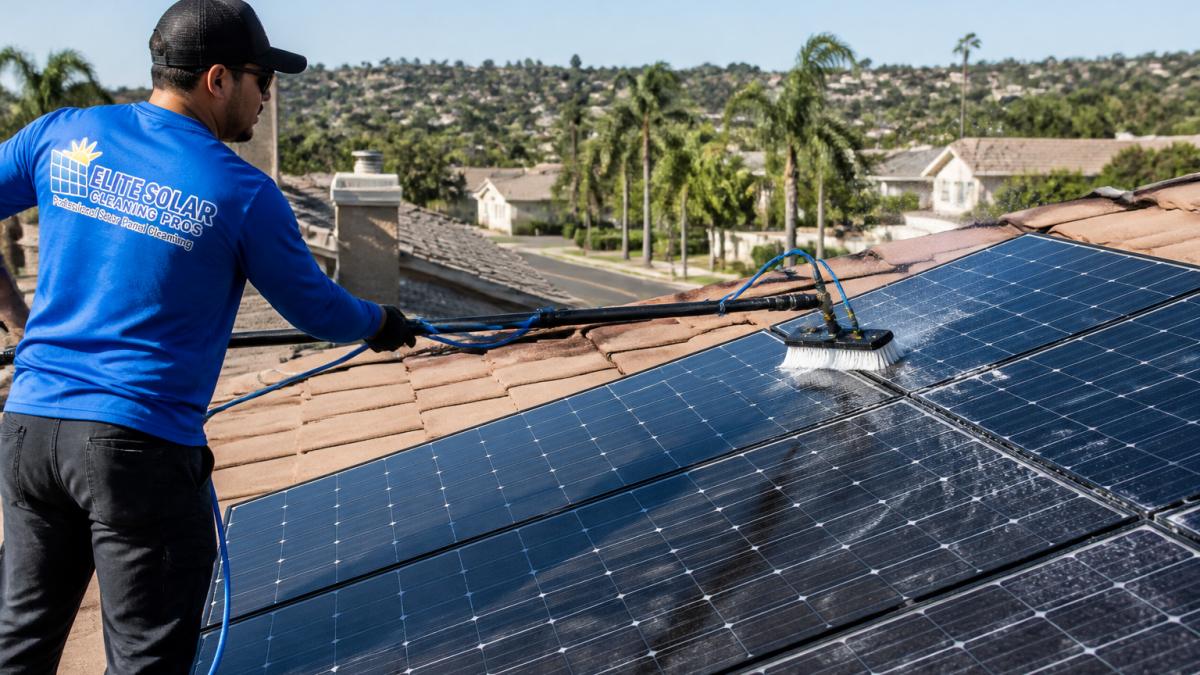
Deionized water differs from other approaches critically. Standard tap water contains minerals that leave deposits on panel surfaces. Harsh chemical cleaners degrade protective coatings over time. Abrasive scrubbing risks scratching tempered glass. Deionized water avoids these problems.
At Elite Solar Cleaning Pros, we use eco-friendly deionized water cleaning because it protects your panels while restoring energy output. This method is safer for your roof and safer for the environment.
Solar Panel Cleaning vs DIY: When to Hire a Professional
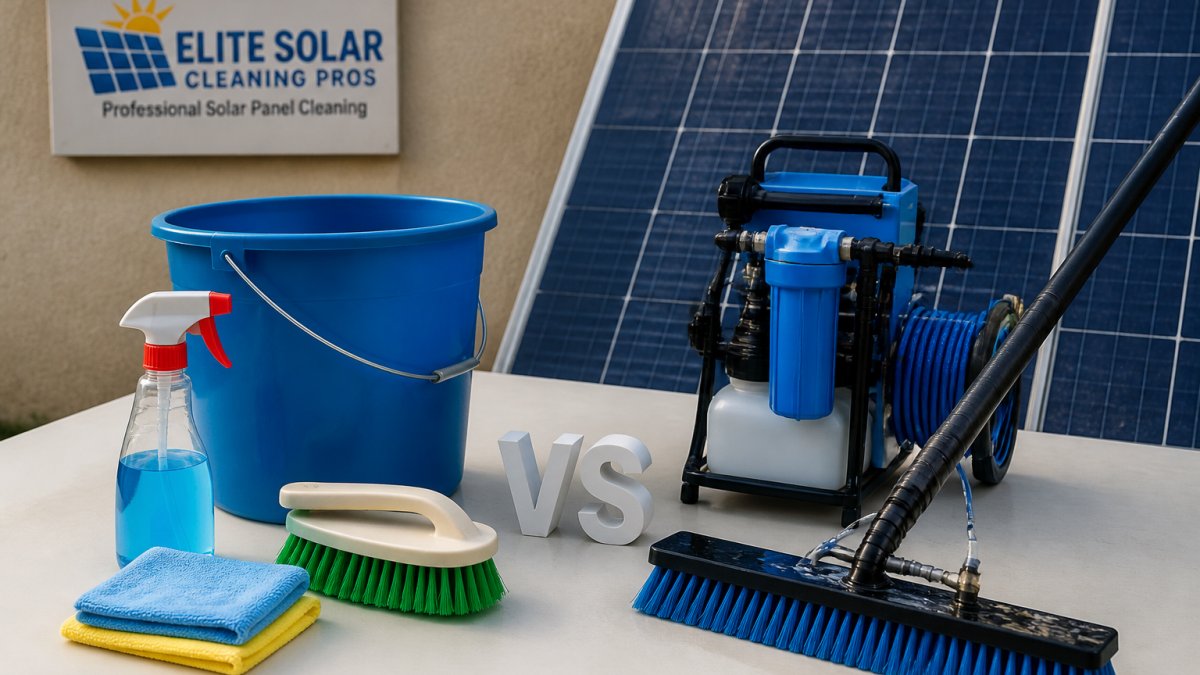
Solar panel cleaning vs DIY work presents a clear choice once you understand the risks. Climbing on your roof creates fall hazards, potential panel damage, and incomplete cleaning that misses mineral deposits. Professional solar panel cleaning eliminates these risks while guaranteeing results.
The DIY approach seems economical until something goes wrong. Falls cause serious injury. Improper cleaning scratches panels or damages electrical connections. Incomplete cleaning leaves mineral deposits that continue reducing efficiency. Professional providers carry liability insurance and have safety equipment designed for roof work.
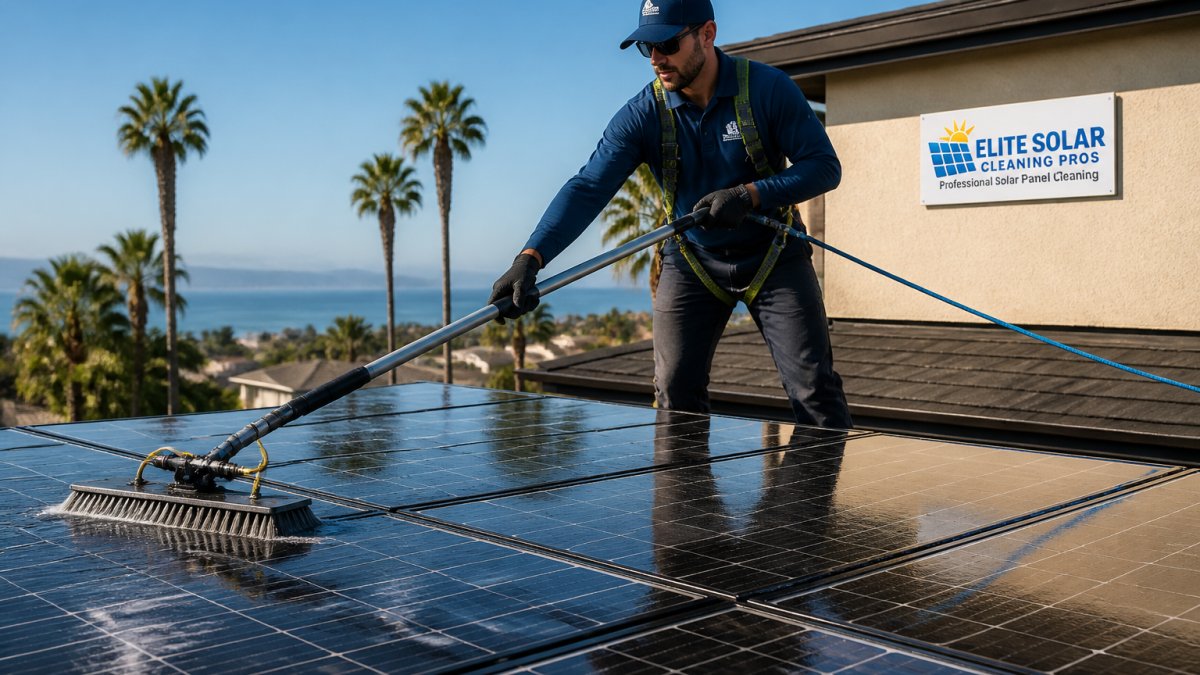
Hire a professional whenever panels are more than one story high, whenever you're uncomfortable on a ladder, whenever you lack proper cleaning equipment, or whenever you want guaranteed results. For most homeowners, professional cleaning makes sense both for safety and for maximizing energy output restoration.
Roofing and Solar Integration: Alternatives to Consider
When planning roof replacement or repair, homeowners with existing solar panels face a coordination challenge that general roofing contractors often underestimate. If your roof needs work, your solar panels must be safely removed, stored, and reinstalled, adding complexity and cost.
Understanding Solar Panel Removal and Reinstallation During Roof Work
Solar panel removal and reinstallation bridges roofing and solar expertise. The process involves disconnecting electrical systems, carefully removing racking hardware, safely lowering panels, storing them securely, and reinstalling and reconnecting them after roofing work completes. This coordination prevents damage to panels, protects electrical systems, and ensures your solar investment remains intact.
Cost factors include system size, roof complexity, electrical disconnect requirements, and storage duration. Responsibility for this work should be clearly assigned in your roofing contract, some roofing contractors handle it directly, others subcontract to solar specialists, and some require you to hire a separate solar company.
Responsibility and Warranty Implications
Clarity on who manages panel removal is critical because it affects warranty coverage and liability. If your roofing contractor damages panels during removal or the roof sustains damage during reinstallation, written documentation determines responsibility. Your original solar warranty may not cover damage from third-party roof work, and roofing warranties typically exclude solar system damage.
Before signing a roofing contract, confirm in writing whether the contractor will remove and reinstall panels, or whether you must hire a separate solar specialist. Request that the contract specify how the roof will be protected during panel removal and what happens if roof damage occurs. Ensure your solar removal contractor provides written documentation of panel condition before removal and after reinstallation.
Alternative Approaches: Timing and Sequencing
Some homeowners consider solar roofing products like Tesla Solar Roof or GAF Energy Timberline Solar as alternatives to traditional rack-mounted panels. These integrated systems combine roofing materials with solar generation, eliminating the removal-reinstallation problem. For most homeowners with existing systems, traditional roof work alongside current panels is more economical.
The most practical approach is coordinating your roofing timeline with your solar contractor well in advance. Request a joint site visit where both contractors assess the roof, panels, and electrical systems together. This prevents surprises, clarifies responsibilities, and often reduces overall costs by streamlining the sequence: inspection, panel removal and storage, roofing work with temporary weather protection, panel reinstallation, electrical reconnection, and system testing.
How to Choose the Right Solar Service Provider
Selecting a solar service provider requires evaluating solar-specific expertise, roofing coordination experience, and clear warranty protections, especially if you're considering roof work alongside solar maintenance or cleaning.
Solar-Specific Expertise vs. General Contracting
The distinction between a solar specialist and a general roofing contractor is critical. Solar specialists understand panel types, electrical system configurations, inverter compatibility, and cleaning methods that protect modern panel coatings. General contractors may offer solar services as an add-on without required depth of knowledge.
When evaluating a provider, ask about experience with your specific panel type and inverter brand. Inquire how many systems they've serviced in the past year and request references from customers with similar installations.
Roofing Coordination and Panel Removal Experience
If you're considering roof work, verify that your solar provider has experience coordinating with roofing contractors. Ask whether they've managed panel removal during roof replacements, how they document panel condition before and after removal, and what happens if roof work damages panels or electrical connections.
Request examples of projects where they've coordinated roof and solar work. Ask about their process for temporary weather protection during panel removal, how they store panels safely, and what testing they perform after reinstallation. Providers who answer these questions in detail have managed the complexity.
Licensing, Insurance, and Warranty Documentation
Verify that any provider carries current state licensing and maintains liability insurance covering solar work. Request a copy of their insurance certificate before work begins.
Warranty coverage is where many homeowners encounter problems. Ask for written documentation of what the provider guarantees: workmanship warranty (typically 1-2 years), performance restoration, and what happens if results don't meet expectations.
Service Area Verification and Community Approval
Confirm that the provider serves your specific address. Some contractors advertise broadly but only service certain neighborhoods or regions. Verify service area availability before requesting a quote. If you live in an HOA community, confirm that the provider has experience working within your community's approval processes.
For commercial or multi-unit properties, ask whether the provider has experience coordinating with property management, obtaining permits, and scheduling around tenant occupancy.
Customer References and Online Verification
Request references from at least three customers with similar system sizes and roof types. Contact these references directly and ask about communication, timeliness, quality of work, and how the provider handled issues.
Check online reviews across multiple platforms. A provider with consistently solid reviews (4-4.5 stars) and reasonable review volume tends to deliver more predictable results. Look for reviews mentioning specific details, communication, professionalism, quality, rather than vague praise or complaints.
Comparing Providers: A Practical Scorecard
Create a simple comparison of your top 2-3 candidates:
- Solar expertise: Can they discuss your specific panel type, inverter, and system configuration in detail?
- Roofing coordination: Have they managed panel removal during roof work? Can they provide references?
- Licensing and insurance: Current state license, liability coverage, and documented proof?
- Warranty terms: Written guarantee on workmanship, performance, and liability coverage?
- Service area: Confirmed availability at your address and experience with your property type?
- Communication: Did they respond promptly, answer questions clearly, and provide a detailed quote?
- References: Can they provide 3+ recent customer references you can contact directly?
The provider who scores highest across these criteria, not necessarily the lowest price, is most likely to deliver reliable results and protect your solar investment.
Frequently Asked Questions
Can professional solar panel cleaning really restore 30% energy output?
Energy output gains depend on how dirty your panels are and your local environment. Dust, pollen, bird droppings, and mineral deposits block sunlight and reduce efficiency. Professional solar panel cleaning removes these barriers, allowing panels to absorb more light. The 30% figure represents the potential maximum when panels are heavily soiled. Most homeowners see measurable improvements, though the exact percentage varies. A roof inspection before cleaning helps identify whether buildup is actually limiting your system's performance.
How often should I schedule professional solar panel cleaning?
Most homeowners benefit from professional cleaning 1-2 times per year, depending on local conditions. Areas with high dust, pollen, or bird activity may need more frequent service. Coastal regions experience salt spray accumulation. After storms or heavy winds, panels often need attention. Monitoring your energy output helps determine timing, if production drops unexpectedly, soiling may be the cause. A licensed contractor can assess your specific situation and recommend a cleaning schedule that maximizes your energy savings without unnecessary expense.
What makes deionized water cleaning different from standard methods?
Deionized water removes minerals and ions that leave spots and streaks on panels. Standard tap water contains calcium, magnesium, and other minerals that crystallize when water dries, creating residue that blocks sunlight. DI water dries spotlessly, leaving panels cleaner. This method is also gentler on panel coatings and frames compared to high-pressure washing, which can damage seals. Professional technicians using DI water systems ensure thorough cleaning without the risk of scratches or water spots that reduce light transmission.
Is DIY solar panel cleaning safe and effective?
DIY cleaning carries risks. Climbing on a roof without proper safety equipment creates fall hazards. Using the wrong cleaning tools or pressure levels can scratch protective coatings or damage electrical connections. Incorrect technique may leave mineral deposits or soap residue that reduces panel efficiency. Professional solar panel cleaning uses specialized equipment, trained technicians, and insurance coverage. For most homeowners, the safety risk and potential for reduced performance make professional service a good choice, especially for systems on steep roofs or multi-story homes.
What should I look for when comparing solar service providers?
Verify licensing and insurance coverage, this protects you if damage occurs during service. Check customer reviews and ask for references from local projects. Compare warranty policies and guarantees on workmanship. Confirm the cleaning method used and whether it suits your panel type. Ask about service frequency recommendations and whether they offer roof inspections. Get written quotes that itemize costs. Avoid providers who pressure you into unnecessary services. Licensed, insured contractors with transparent pricing and local references provide the reliability and accountability you need.