 how-to
Can Dirty Solar Panels Void Your Warranty? What to Know
Table of Contents
- Can Dirty Solar Panels Void Your Warranty? The Short Answer
- Solar Panel Warranty vs Roof Warranty vs Workmanship Warranty
- How to Clean Solar Panels Safely Without Voiding Coverage
- Can You Clean Solar Panels Yourself? DIY Risks and Warranty Rules
- How Often to Clean Solar Panels: Frequency That Protects Performance
- How to File a Solar Panel Warranty Claim (and What Evidence You Need)
- Installation, Roof Damage, and Warranty Exclusions: What Actually Voids Coverage
- Frequently Asked Questions
Last Updated: October 17, 2026
Can Dirty Solar Panels Void Your Warranty? The Short Answer
No, dirt alone does not void a solar panel warranty. But how you handle that dirt can. If you scrub panels with the wrong tools, climb on them without training, or let grime build up until it bakes into the glass, you can trigger a warranty exclusion. Let's separate the myth from the real risk.
A solar panel warranty is a manufacturer's written promise to repair or replace panels that fail due to defects in materials or workmanship. It does not cover damage from neglect or bad cleaning.
Here is the key distinction. Dirty solar panels reduce output. That is a performance issue, not a defect. Most manufacturers will not pay a claim just because your array got dusty.
But neglect can become a coverage problem in a different way. If soiling causes permanent damage, such as hard water etching or cracked glass from a botched cleaning attempt, that damage usually falls outside the warranty.
The U.S. Department of Energy guide to solar energy basics explains that panels are built to last decades, but only when handled properly.
So the honest answer is this: dirt itself is not a warranty killer. Poor maintenance is.
Solar Panel Warranty vs Roof Warranty vs Workmanship Warranty
Three different warranties guard your system, and each one has its own rules. Mixing them up is the most common mistake we see.
What Each Warranty Covers
A solar panel warranty (also called a manufacturer warranty) covers the panels themselves. It typically splits into two parts: a product warranty for defects and a performance warranty guaranteeing a minimum power output over time.
A roof warranty covers your roofing materials and the deck beneath them. It comes from your roofer or the shingle maker.
A workmanship warranty covers the quality of the installation labor. It comes from the installer who mounted the system.
| Warranty Type | Who Provides It | What It Covers | Typical Concern |
|---|---|---|---|
| Manufacturer (panel) | Panel maker | Defects, output degradation | Cleaning damage, physical harm |
| Roof | Roofer or material maker | Roof surface and deck | Penetrations, leaks |
| Workmanship | Installer | Installation labor and seals | Poor mounting, loose hardware |
Here is the part most guides miss. A roof warranty can be affected by solar work even when the panels are fine. Improper mounting or roof penetrations made during installation can open a hole in your roof coverage.
That is why coordination between your roofer and your solar installer matters before anyone drills a single hole.
How to Clean Solar Panels Safely Without Voiding Coverage
Safe cleaning comes down to gentle tools, plain water, and staying off the glass. But the details matter more than most guides admit. Follow these steps to protect both performance and coverage.
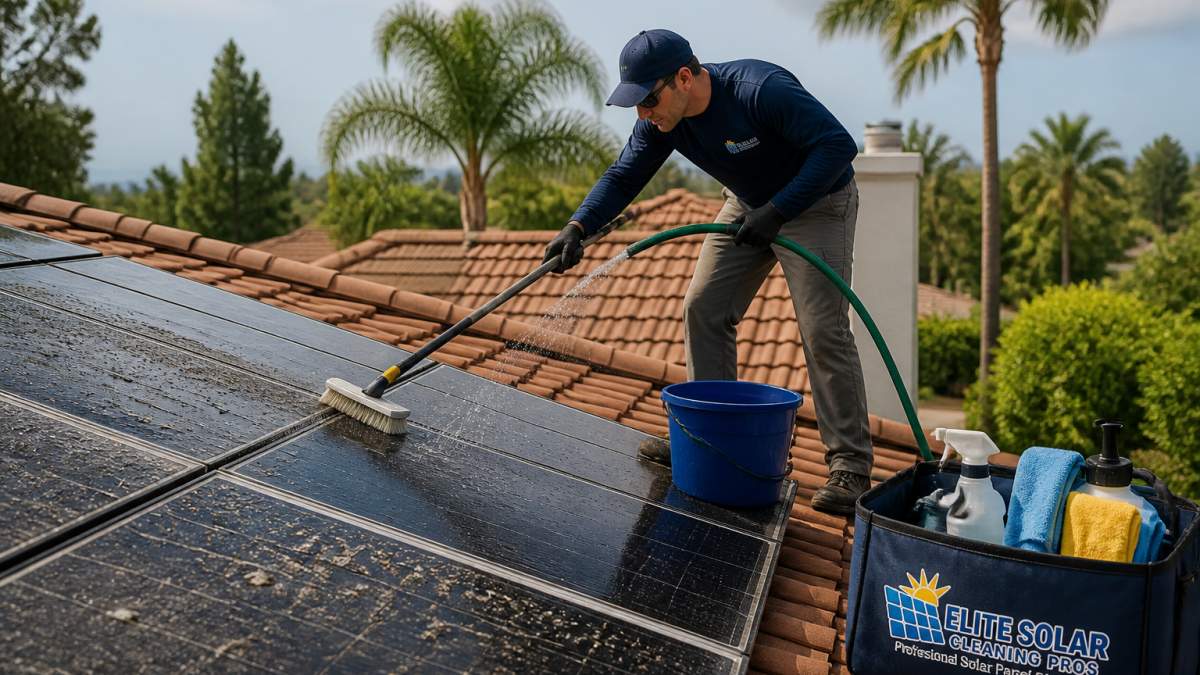
- Check your manual first. Read the manufacturer's cleaning requirements before you touch anything. Look for approved methods, prohibited tools, and any maintenance clauses that could affect coverage.
- Shut down if the manual requires it. Some manufacturers specify disconnecting the system or covering panels before cleaning. Follow their instructions exactly; if the manual is silent, avoid touching wiring or connectors.
- Work early morning or late afternoon. Cool panels are less prone to thermal shock from cold water.
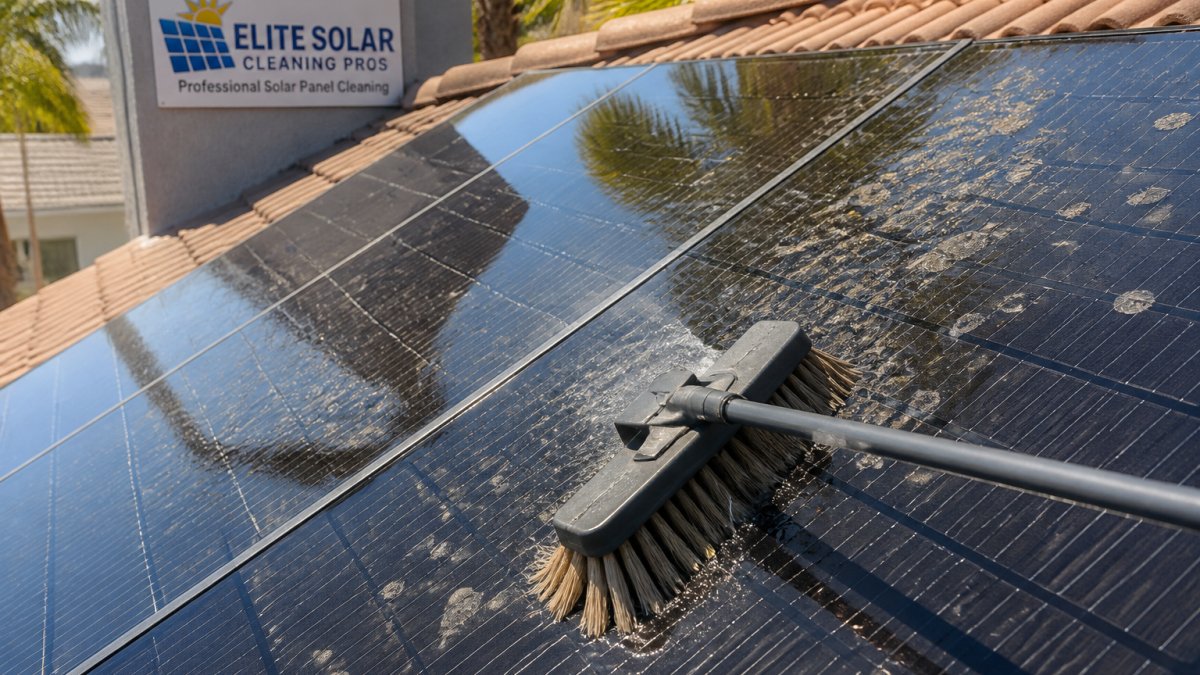
- Rinse loose dust first. Use a garden hose to knock off grit before any contact.
- Use a soft brush or microfiber pad. Never use abrasive pads or scouring tools.
- Skip harsh soaps. Mild soap at most, and rinse fully. Avoid detergents that leave residue or etch glass.
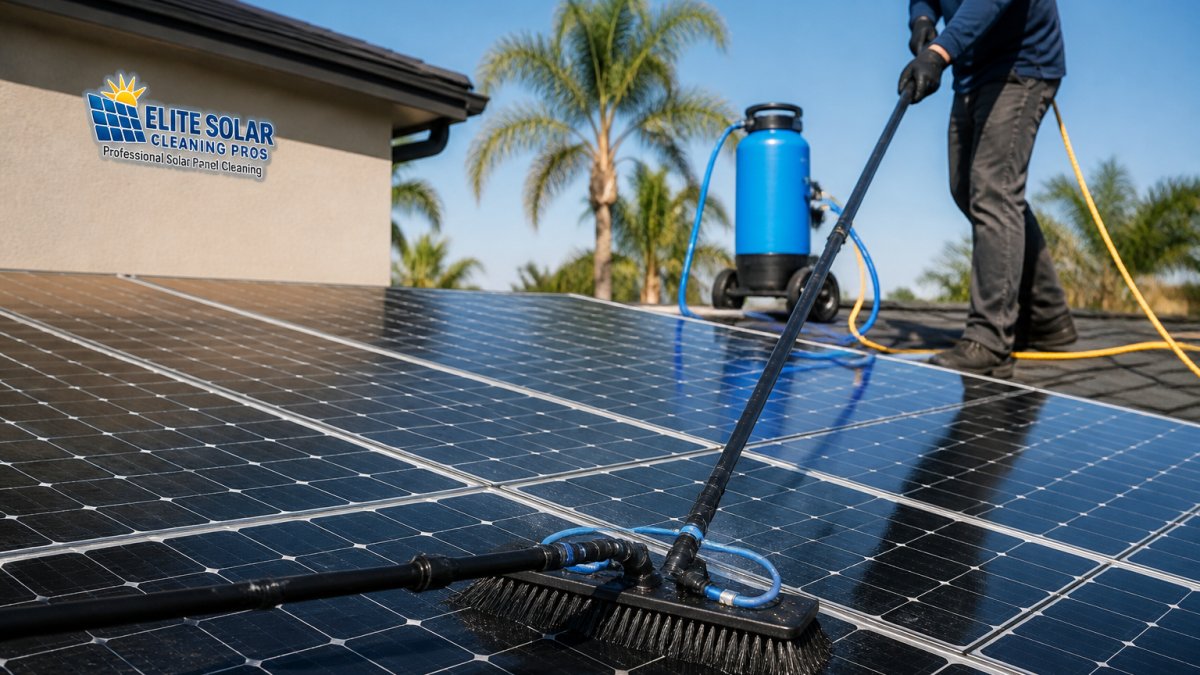
- Use clean water. Hard water can leave mineral deposits that bake onto glass. If your water is hard, rinse with purified or deionized water, or dry the glass with a soft squeegee.
- Stay off the glass. Never stand or kneel on panels.
- Avoid high-pressure spray. A pressure washer can force water past seals.
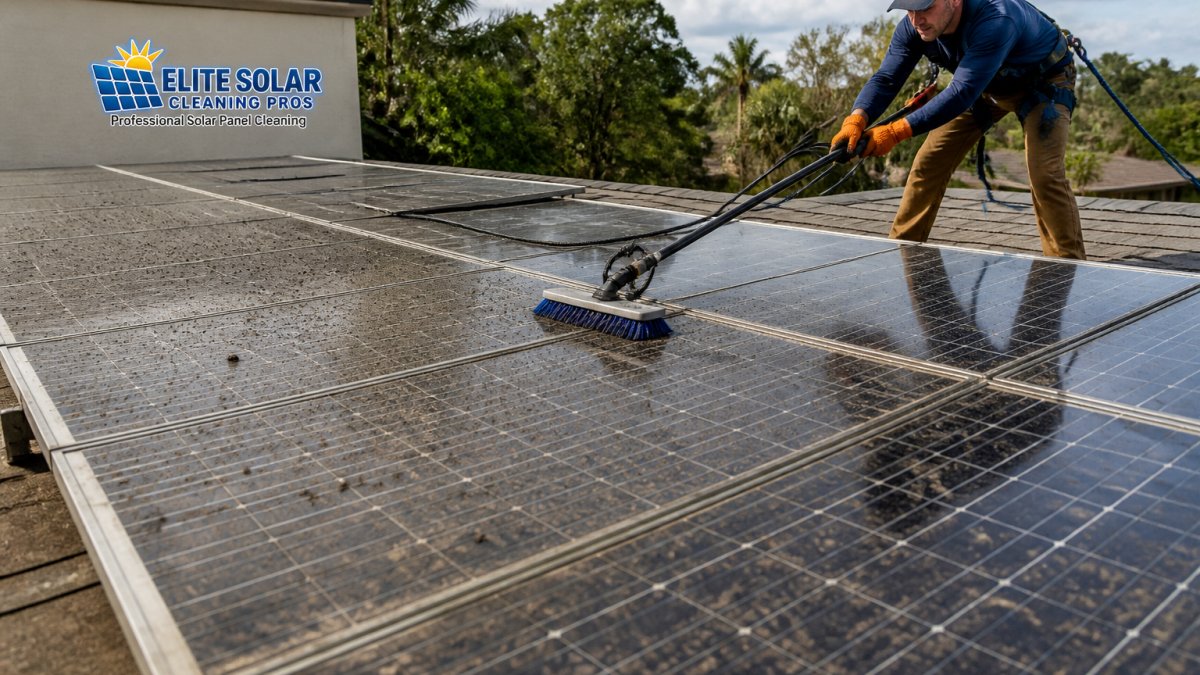
- Stay safe on the roof. Use stable access, avoid walking on shingles, and do not clean in wet or windy conditions. If your roof is steep or your panels are hard to reach, hire a professional.
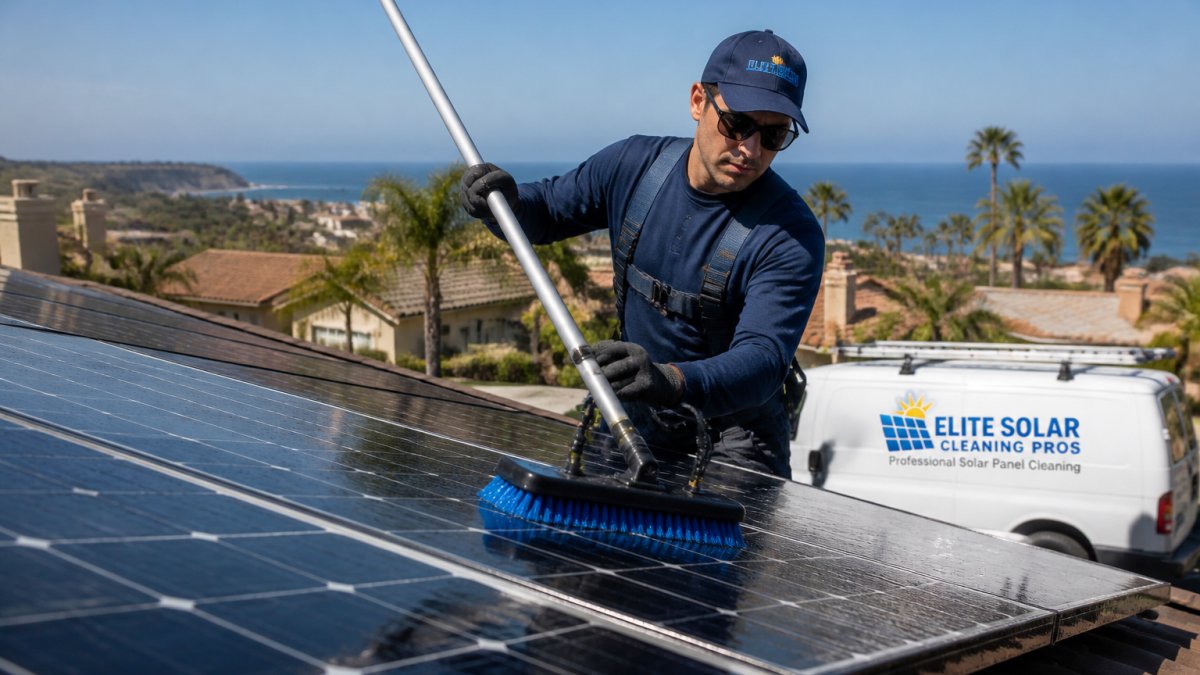
The safest path for most homeowners is a professional service with purified water and the right reach tools.
Can You Clean Solar Panels Yourself? DIY Risks and Warranty Rules
You can clean solar panels yourself, but the risks climb fast. DIY cleaning is allowed by most manufacturers as long as you follow their requirements. The problem is that homeowners often do not know those requirements exist.
Here is what actually puts coverage at risk:
- Scratches from abrasive tools. Fine grit trapped under a stiff brush can score the glass.
- Cracked panels from foot traffic. Glass cracks from weight are rarely covered.
- Water intrusion. High-pressure spray can push water into frames and connectors.
- Falls and roof damage. Climbing on a roof is dangerous and can damage shingles.
A common mistake is assuming a quick scrub is harmless. In practice, a single careless pass with the wrong tool can cause damage that costs far more than a professional cleaning.
If you are unsure about your roof pitch, your panel model, or your manual's rules, hire a licensed and insured team. The Occupational Safety and Health Administration guidance on fall hazards is a sober reminder that roof work is not a casual weekend task.
How Often to Clean Solar Panels: Frequency That Protects Performance
Most homes need a cleaning once or twice a year, but your local conditions decide the real schedule. Dust, pollen, bird droppings, and coastal salt air all speed up soiling.
Use this simple guide:
- Standard suburban roof: every 12 months
- Dusty or windy area: every 6 months
- Heavy tree cover or bird traffic: every 3 to 6 months
- Coastal salt exposure: every 6 months
- After a wildfire or dust storm: as soon as it is safe
Why bother? Because dirty solar panels block sunlight absorption. Less light reaching the cells means lower energy production and a slower payback on your system.
Cleaning frequency is not a warranty rule for most manufacturers. It is a performance rule. But letting grime sit for years can lead to hardened deposits that are harder to remove without risk.
How to File a Solar Panel Warranty Claim (and What Evidence You Need)
A warranty claim is a formal request to the manufacturer or installer to fix a covered defect. Strong documentation is what separates a smooth claim from a denial.
Gather this evidence before you file:
- Your original purchase and installation paperwork
- The full warranty terms and any exclusions
- Dated photos of the problem area
- Your cleaning and maintenance records
- System performance data showing the drop
- A written description of when the issue started
Then follow these steps:
- Contact the manufacturer or installer in writing. Keep a copy of every message.
- Submit your evidence package with the claim. Reference the specific warranty clause you believe applies.
- Request an inspection if the cause is unclear. Ask for the inspector's findings in writing.
- Keep every email and response on file.
- Escalate in writing if the claim is denied without a clear reason.
If a claim is denied, ask for the specific exclusion in writing. That single document tells you whether the cause was labeled a defect or damage. From there, you can request a second review or a paid inspection. Document the denial, the clause cited, and any inspection findings, then escalate through the installer or manufacturer's formal dispute process. A clear paper trail is your best leverage.
Installation, Roof Damage, and Warranty Exclusions: What Actually Voids Coverage
What actually voids coverage is damage and neglect, not dust. Here is the honest list of things that put a warranty at risk.
Improper installation is the biggest one. Poor mounting, missing flashing, or sloppy roof penetrations can cause leaks and void a roof warranty. This is why qualified contractor work matters from day one.
Physical damage from cleaning, foot traffic, or impact is usually excluded. So is damage from storms or hail in many policies.
Unauthorized modifications to panels, wiring, or mounting hardware can void coverage.
Neglect that causes permanent harm, like hard water etching left for years, can be argued as damage rather than a defect.
The good news: routine, gentle cleaning protects your investment rather than risking it. Proper preventive maintenance and a documented service plan keep you on the right side of your warranty terms.
Frequently Asked Questions
Can dirty solar panels void your warranty?
In most cases, dirty solar panels alone do not void a manufacturer or roof warranty. Warranties typically cover defects in materials and workmanship, not performance loss from soiling. However, if neglect leads to permanent damage, such as cracked cells from thermal stress or corrosion from long-term debris buildup, a manufacturer could deny a claim citing lack of maintenance. Always check your specific warranty terms for maintenance requirements.
Do you need to clean solar panels to keep the warranty valid?
Some manufacturers require basic maintenance, including occasional cleaning, to keep coverage valid. Check your warranty document for explicit cleaning or maintenance clauses. Even without a clause, regular cleaning helps prevent conditions that could be blamed for damage. A professional inspection and cleaning every 12 to 24 months is a practical way to document care and protect your investment.
Can cleaning solar panels yourself damage them and affect the warranty?
Yes, improper DIY cleaning can damage panels or void coverage. Using abrasive brushes, high-pressure washers, or harsh chemicals may scratch the glass or degrade protective coatings, and those actions are often excluded from warranty protection. Walking on panels or improper roof access can also cause damage. If you clean yourself, use soft brushes, plain water, and follow the manufacturer's guidelines to avoid risking your warranty.
How do I claim solar panel warranty if cleaning caused damage?
If you believe damage is covered, contact the manufacturer or installer promptly. Gather documentation: photos of the damage, cleaning records, and proof of professional service if applicable. Be honest about what happened. Many warranties exclude damage from improper cleaning, so review your terms first. A professional solar panel warranty claim often requires an inspection report. Elite Solar Cleaning Pros can provide service records to support your claim if cleaning was performed professionally.
Dirty panels are not the enemy of your warranty. Careless handling is. If you want your array cleaned safely, with eco-friendly DI water methods and a licensed, insured team, Elite Solar Cleaning Pros is ready to help. We restore up to 30% of your energy output and protect your panel investment along the way. Get started with Elite Solar Cleaning Pros and request your free quote today.